
Introduction: The Context of the Congressional Race
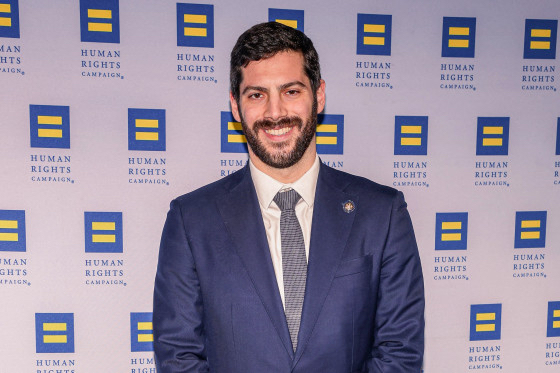
The political landscape in New York’s 12th congressional district is undergoing significant changes as the spotlight turns towards the impending election, which features assembly member Alex Bores in a fierce contest against the pro-AI super PAC, Leading the Future. This race has garnered attention not only for its candidates but also for the broader implications it holds regarding artificial intelligence policy, an increasingly critical issue in the contemporary political arena.
Alex Bores, representing a grassroots campaign, is challenging the entrenched interests supporting AI technologies and their integration into everyday life. The stakes are high; as AI continues to shape the economy, workforce, and social dynamics, policymakers face the difficult task of drafting regulations that protect societal interests while fostering innovation. Bores’s platform seeks to address these concerns, advocating for responsible AI development that prioritizes the well-being of the constituents he aims to serve.
The significant financial backing that the Leading the Future super PAC possesses raises questions about the influence of tech funding in political races. As the PAC channels substantial resources into promoting pro-AI candidates, there is a growing apprehension regarding the potential erosion of democratic principles. This situation creates a David versus Goliath scenario where Bores, with limited resources, must navigate a well-funded campaign that promotes aggressive AI adoption without stringent oversight.
In this election cycle, voters are not merely casting ballots; they are making choices that will determine the trajectory of AI policy in their community and beyond. The intersection of technology and politics has never been more evident, and it is essential for constituents to understand the implications of this race on their lives.
The Attack: AI Super PAC Targets Alex Bores
In the realm of political campaigning, the emergence of super PACs has significantly altered the landscape, particularly in contentious sectors such as artificial intelligence (AI). Recently, Alex Bores found himself at the center of a heated confrontation instigated by the pro-AI super PAC known as Leading the Future. The motivation behind this campaign was primarily fueled by Bores’ recent sponsorship of New York’s Raise Act, legislation designed to impose stringent safety protocols on AI developers. This legislative effort aims to ensure responsible AI practices, but it has drawn ire from powerful AI advocacy groups.
Leading the Future’s aggressive tactics included a barrage of advertising attacks aimed at discrediting Bores, often employing a strategy of misinformation and negative framing. The super PAC sought to portray Bores as an obstructionist in the path of technological advancement, attempting to divert attention from the necessary discussions around ethical AI governance. By amplifying the narrative of technological progress versus regulatory overreach, Leading the Future managed to generate significant public discourse, albeit with a skewed perspective.
Financially fortified by large contributions from various tech industry stakeholders, Leading the Future has been able to allocate substantial resources toward their campaign against Bores. The scale of funding has not only enabled sophisticated advertising campaigns but also facilitated the deployment of strategic grassroots mobilization efforts. This financial clout has allowed the super PAC to penetrate media channels extensively, ensuring that their brand of narrative dominates discussion related to AI legislation and its proponents, including Bores.
As the battle lines have been drawn in this David vs Goliath narrative, the profound implications of such attacks on democratic discourse and policy-making in AI have begun to unfold. Observers are left to contemplate the ethics of unregulated PAC influence in sensitive legislative matters, questioning whether the advancement of technology should come at the expense of accountability.
Bores’ Resilience: The Response and Support from Anthropic
In the face of intense scrutiny and criticism, Alex Bores has demonstrated remarkable resilience while continuing to advocate for transparency and safety in the development of artificial intelligence. His commitment to these principles is a key element of his campaign, and it reflects a broader concern regarding the ethical implications of AI technologies in everyday life. Bores has consistently emphasized the importance of public accountability in the tech industry, arguing that advancements in AI should not only focus on innovation but must also prioritize the well-being of society.
The support Bores has received from the Public First Action PAC is noteworthy, particularly given its financial backing by Anthropics’ donation of $450,000. This substantial backing underscores a significant shift in the AI discourse. Not only does it represent a move towards more responsible legislation, but it also demonstrates an increasing trend among tech companies to engage in political advocacy that aligns with public interests. These funds have enabled Bores to amplify his message and enhance his campaign efforts, ensuring that he can effectively communicate his vision to a broader audience.
Moreover, Bores’ open dialogue about the implications of AI reflects a broader trend wherein tech-savvy candidates are taking the initiative to address pressing issues in their platforms. With the support from the PAC, Bores aims to foster a legislative environment that is not only informed by technological advancements but also sensitive to community concerns. As AI continues to shape various aspects of life and governance, Bores’ approach may serve as a model for how future campaigns can integrate ethical considerations with technological progress.
Conclusion: Implications for the Future of AI Policy
The political battle surrounding Alex Bores represents more than just a local election; it signals a significant moment for the shaping of artificial intelligence (AI) policy across the United States. The implications of this contest reach into the core of how technology will be regulated and funded in the coming years. As Bores has positioned himself as a challenger to established norms, his campaign raises questions about the influence of money in politics, particularly in the realm of AI, which is poised to affect myriad aspects of society.
The election results will elucidate whether the grassroots support for Bores translates into tangible political capital that can influence future legislative agendas related to AI. A favorable outcome for Bores could embolden new voices in the tech policy arena and lead to regulations that prioritize ethical considerations, addressing public concerns over privacy and accountability. Conversely, a loss may reaffirm the status quo, where major corporations and well-funded lobbyists continue to steer AI development with minimal oversight.
Furthermore, this political showdown emphasizes the necessity for robust regulatory frameworks that can keep pace with rapidly advancing technologies. As the AI landscape evolves, it is imperative that policymakers, influenced by constituents and emerging leaders like Bores, ensure that safeguards are in place to prevent misuse and promote equitable access. Ultimately, the trajectory of AI policy hinges not only on individual electoral outcomes but also on the collective advocacy for transparency and public input in shaping the technology that profoundly impacts our daily lives.
The implications of this election extend far beyond the immediate political landscape, resonating with broader discussions surrounding the future of AI and its regulation. As such, it becomes crucial for citizens to remain engaged and informed about the evolving dynamics of technology policy, ensuring that the narrative surrounding AI remains inclusive and reflective of diverse societal values.
ZXCV
XDFCVFBV
sdf