
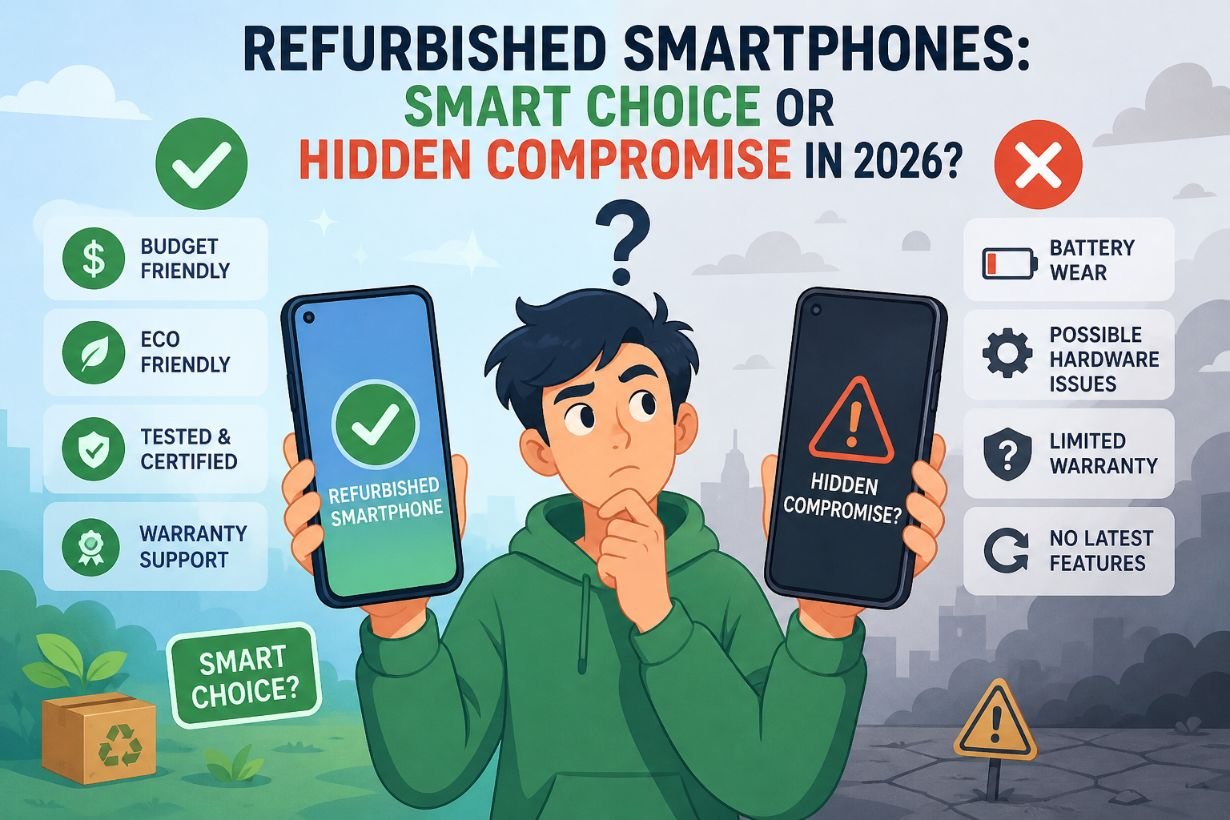
Refurbished Smartphones, Buying a new smartphone is no longer the obvious choice it once used to be . In a market where new devices are becoming more expensive yet only marginally different from their predecessors, more consumers are raising questions that whether the latest release is actually worth the investment . With flagship devices reaching increasingly higher price points. This shift indicates a broader transformation in the market, where consumers are no longer driven solely by new releases, but by a more calculated approach to value and usability.
A Market That’s Growing Rapidly:
What makes the trend stand out is how quickly it’s gaining momentum. As innovation slows and devices remain functional for longer periods, the need for frequent upgrades is naturally declining . More phones are being reused and resold than ever before, turning what used to be a small secondary option into a strong and dependable market of its own. It’s no longer just an alternative, it’s becoming a normal part of how people buy smartphones. This has allowed the refurbished segment to expand into a well-structured and increasingly reliable market, supported by a growing number of devices being resold and reintroduced into circulation.
Why Consumers Are Choosing Refurbished Smartphones?
A major reason behind this shift is their strong prices . As flagship devices continue to rise in cost , many consumers are finding it increasingly difficult to justify spending on brand new models when similar performance can be achieved at a lower price. They allow users to experience premium features without paying the full price of new phone . At the same time, growing awareness around sustainability is influencing purchasing decisions , encouraging users to go for solutions that extend the lifecycle of electronic devices.
The Real Challenges behind The Ultimate Growth:
Despite its rapid expansion, the refurbished smartphone market continues to face several challenges that limit its full potential . The biggest one is trust. many buyers are unsure about how well the device will perform over time, especially when it comes to battery life or hidden issues , refurbished devices can differ significantly depending on their history and the refurbishment process. Although many sellers have introduced grading systems and warranties, these measures have bot completely eliminated concerns so they remain as it is . This variability creates hesitation, particularly among first-time buyers.As a result, building long-term consumer trust remains one of the most critical challenges for the industry.
A Shift in Consumer’s Behavior:
As discussed in the challenges occuring above the changing dynamics of the smartphones is a reflection of a evolving consumer priorities. If you really think about it, people just don’t upgrade their phones like they used to. Earlier, every new releases felt like a big deal, but now the differences aren’t that noticeable.Many users now prefer to extend the lifespan of their devices, recognizing that modern smartphones remains functional and efficient for longer periods. With hardware improvements becoming less dramatic between generations, the incentive to upgrade frequently has diminished. This has led to a slowdown in new device sales while simultaneously strengthening the refurbished segment, as older devices remain capable of meeting everyday performance demands.
A Smart Choice or a Compromise?
So , are refurbished smartphones a smart choice or a compromise? The answer largely depends on what the user values most . For those who want the latest features and brand-new experience, new devices will always hold appeal.Rather than focusing solely on owning the latest device, users are increasingly prioritizing affordability , usability and sustainability. While refurbished devices may not fully replace new smartphones, they are emerging as a credible and strategically sound alternative in an evolving market landscape. They offer performance, which once felt like a compromise is slowly turning into a confident choice.