
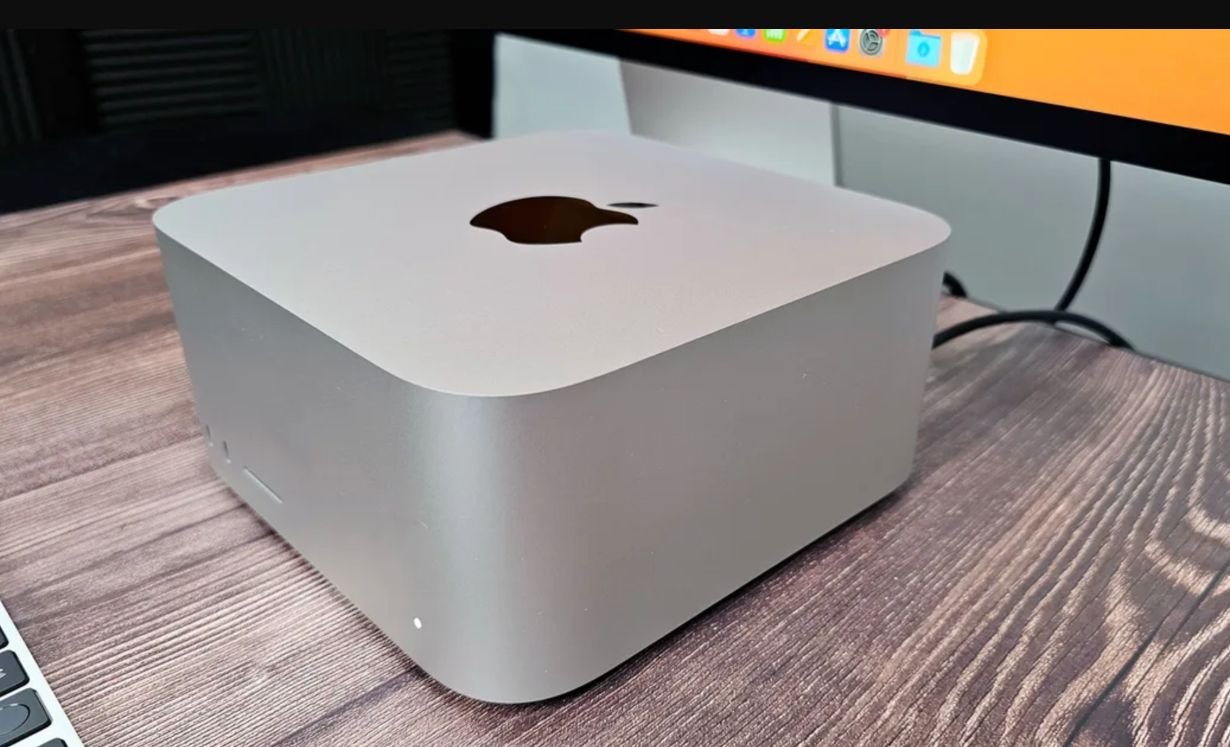
Apple’s Mac Mini and Mac Studio Shortages: The Impact of AI Demand
The rapid growth of artificial intelligence (AI) is not only revolutionizing industries but also reshaping the landscape of computing hardware demand. As AI technologies continue to evolve, the need for high-performance computational resources has surged, prompting both businesses and individual developers to seek advanced solutions capable of efficiently handling demanding workloads. This shift towards personal computation solutions like Apple’s Mac Mini and Mac Studio reflects a broader trend in which local AI processing is becoming increasingly favored over traditional cloud-based approaches.
Local AI refers to the practice of processing machine learning models directly on personal devices rather than relying on distant cloud servers. The advantages of local AI include reduced latency, enhanced privacy, and improved control over data. Since the processing occurs on-site, users can expect quicker response times, which is particularly crucial for applications requiring real-time feedback. Moreover, local processing minimizes data sensitivity concerns, enabling developers to maintain tighter security on proprietary information and user data.
This growing preference for local AI has significant implications for hardware manufacturers. With developers shifting their focus towards optimizing software for personal devices, there is an escalating demand for machines that can support advanced AI workloads seamlessly. Consequently, manufacturers like Apple are faced with a heightened need to meet this demand through the production of robust, high-performance computing solutions. The constraints in supply for devices like the Mac Mini and Mac Studio exemplify how the AI boom is not merely a fleeting trend but a pivotal moment in personal computing history.
Apple’s Manufacturing Constraints and Product Shortages
Apple, known for its industry-leading products, is currently facing significant manufacturing constraints that are impacting the availability of the Mac Mini and Mac Studio. During a recent earnings call, CEO Tim Cook highlighted these challenges, indicating that the overwhelming demand for high-memory configurations of these devices has played a pivotal role in the current shortages. As customers increasingly seek out these powerful systems, the pressure on Apple’s supply chain has intensified, creating a ripple effect throughout the product availability cycle.
Several factors contribute to these manufacturing constraints. Firstly, the global supply chain disruptions caused by external events, including the ongoing repercussions of the pandemic and geopolitical tensions, have limited the availability of essential components. The semiconductor shortage, in particular, has severely impacted many technology manufacturers, and Apple is no exception. The chips used in Mac Mini and Mac Studio models are critical to their performance, and any delay in manufacturing or sourcing these components can result in significant product shortages.
In response to these challenges, Apple has implemented several strategies to mitigate the impact on consumers. The company is working closely with its suppliers to increase the procurement of necessary components and streamline production processes. Additionally, Apple is focusing on enhancing its inventory management techniques, ensuring that it prioritizes the production of high-demand configurations to fulfill customer orders more effectively. Despite these efforts, the high demand for Mac Mini and Mac Studio devices means that consumers may still experience delays in product availability. As Apple navigates these constraints, it is evident that finding a balance between supply and demand is crucial for the company and its customer base.
The Unique Advantages of Apple Silicon for AI Applications
Apple’s Silicon architecture is designed to optimize performance across a range of applications, especially in the realm of artificial intelligence (AI). Central to this optimization is the unified memory architecture, which allows the CPU, GPU, and neural engine to access the same pool of memory. This design eliminates the bottleneck often associated with traditional systems where separate memory pools for CPUs and GPUs impede efficiency. By facilitating direct access to data across components, Apple Silicon significantly enhances the speed and responsiveness required for intensive AI workloads.
The unified memory architecture not only improves data handling but also reduces power consumption. For AI applications that involve iterative processing of large datasets, this reduction in latency and energy use can lead to significant performance gains. Moreover, the dedicated machine learning accelerators embedded in Apple Silicon chips, such as those found in the M1 and M2 chips, boost the processing capabilities for AI-specific tasks. This advancement allows developers to harness more computing power without the need for extensive, energy-consuming external hardware.
When it comes to local AI development, Apple’s Mac Mini and Mac Studio stand out due to their compact design and efficient cooling systems. Unlike traditional PCs, which often require bulky configurations to support powerful processors and extensive memory, these devices deliver high performance in a smaller footprint. This not only makes them ideal for desk setups but also ensures that they can operate effectively in environments where space is limited. The seamless integration of hardware and software in Apple’s ecosystem further enhances the user experience, providing developers with a reliable platform for building and experimenting with AI applications. Ultimately, Apple’s architecture is specifically tailored to meet the demands of modern AI development, offering unique advantages in speed, efficiency, and user accessibility.
The Future of AI Development on Personal Hardware
The rapid advancement of artificial intelligence (AI) technology is redefining the landscape of personal computing, particularly in terms of hardware requirements. As AI development increasingly shifts towards personal computers, the demand for high-performance machines capable of handling complex computations has surged. This transition points to a broader trend where individual developers and small teams can engage in sophisticated AI research and application development without relying solely on large data centers or high-cost enterprise solutions.
Industry observers emphasize the importance of personal hardware’s evolution in response to these developments. Developers are now seeking machines equipped with advanced processing capabilities, including robust GPUs and specialized neural processing units (NPUs), which are essential for training AI models efficiently. As the demand for personal hardware tailored for AI applications grows, manufacturers like Apple are adapting their product offerings to fulfill these emerging needs. The recent challenges surrounding Mac Mini and Mac Studio shortages exemplify this shifting focus, highlighting how popular personal computing options are becoming essential tools for AI development.
Furthermore, the rise of AI in personal computing is likely to reshape the market dynamics significantly. As more software developers and independent researchers engage with AI technologies, the competition for personal computers with advanced specifications will intensify. Apple’s role in this evolving landscape is critical; by harnessing its design and engineering capabilities, the company has the potential to not only meet current demands but also anticipate future trends. This positions Apple as a key player in driving the next wave of innovation within both AI and personal computing realms. Consequently, as AI continues to gain traction, it is expected that the intersection of personal hardware and software development will play an increasingly pivotal role in shaping the future of technology.