
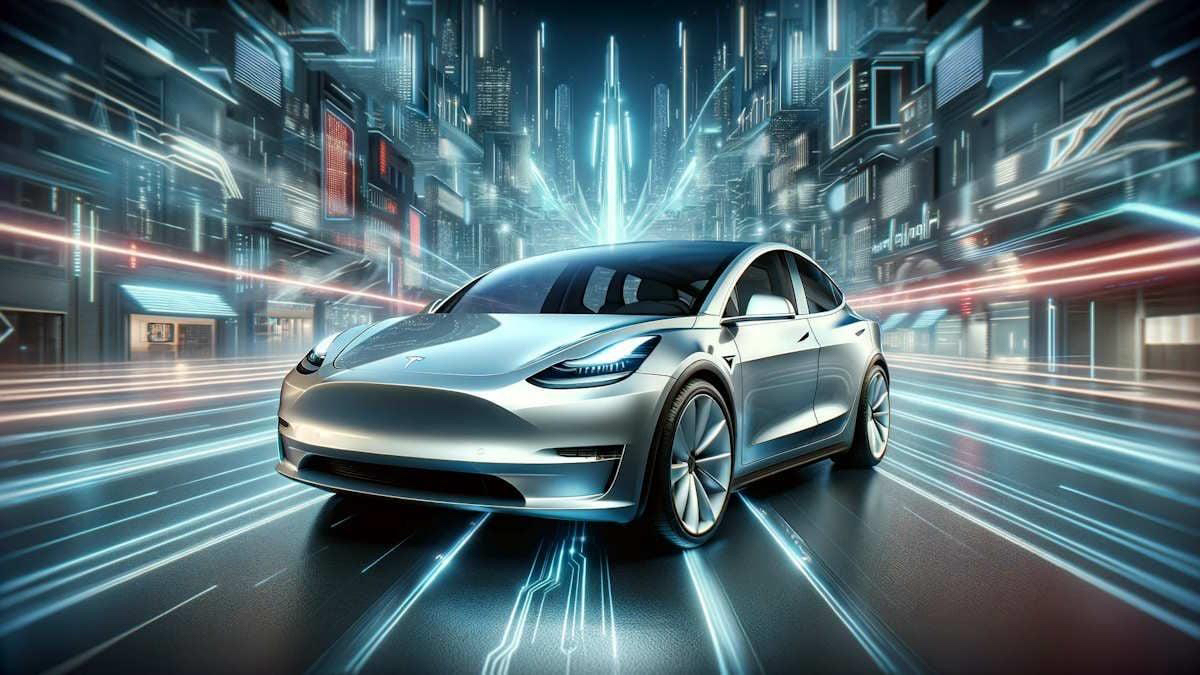
Introduction to Tesla’s New SUV Development
Tesla, a leader in the electric vehicle (EV) market, is set to launch a new, smaller, and more affordable electric SUV, which remains one of their most anticipated developments. According to a recent announcement by Reuters, this upcoming vehicle reflects Tesla’s strategic shift in response to evolving consumer preferences and market demands, particularly in the compact SUV segment.
The new SUV aims to blend practicality and affordability, making electric mobility accessible to a broader audience. Early estimates suggest that the price range for this vehicle will be considerably lower than that of Tesla’s existing models, aimed at attracting cost-conscious consumers looking for reliable and stylish EV options. This change, particularly with the transition away from the premium-focused Model S and Model X, signifies a notable pivot in Tesla’s business strategy.
In terms of size, the new SUV is expected to be compact yet spacious enough to meet the needs of families and urban drivers alike. The design is likely to incorporate Tesla’s hallmark of minimalistic aesthetics while leveraging advanced technology features that enhance user experience and safety. Such specifications will undoubtedly set it apart in the competitive EV market.
This strategic development not only positions Tesla to capture a wider consumer base but also serves as a competitive response to other automakers entering the EV space with similarly sized models. As the automotive market continues to evolve with an increasing emphasis on sustainability, Tesla’s new, smaller SUV may play a crucial role in shaping industry standards moving forward.
Key Features of the New Tesla SUV
The upcoming Tesla SUV is poised to make a significant impact in the electric vehicle market by offering a blend of affordability and functionality. Measuring approximately 14 feet in length, this new model is notably smaller than the popular Model Y, potentially appealing to a wider audience that includes urban dwellers seeking a more compact option.
Pricing strategies suggest that the new Tesla SUV will be positioned at a more accessible price point compared to the Model 3. This is likely to enhance its attractiveness to budget-conscious consumers who desire the benefits of electric mobility without compromising on quality or performance.
In terms of performance, Tesla is expected to offer various battery configurations and motor options for the new SUV. These choices will provide flexibility for buyers, allowing them to select a setup that aligns with their driving preferences and range requirements. Furthermore, the weight of the vehicle has been a crucial consideration in its design, impacting both its stability and efficiency. A lighter vehicle may lead to improved range and acceleration, core aspects that many Tesla enthusiasts value.
The integration of advanced technology and user-friendly features is anticipated as well. With Tesla’s commitment to innovation, the new SUV is likely to come equipped with cutting-edge infotainment systems and safety enhancements, ensuring a state-of-the-art driving experience. Overall, it aims to combine practicality with Tesla’s renowned performance, making it a standout addition to the electric SUV segment.
Production Plans and Market Strategy
Tesla has officially announced plans to produce its new smaller and more affordable SUV in China, a strategic move that reflects both cost-efficiency and the growing demand for electric vehicles in the Asian market. The decision to establish manufacturing operations in China is not merely a logistical choice; it represents a calculated effort to optimize production costs while tapping into one of the largest electric vehicle markets in the world.
By leveraging China’s extensive supply chain and local manufacturing capabilities, Tesla aims to reduce production expenses, which is crucial for maintaining competitive pricing in the affordable electric vehicle segment. This choice is particularly important as the company strives to provide a more accessible option for consumers who may have been priced out of Tesla’s higher-end offerings. Manufacturing in China allows Tesla to benefit from the availability of necessary materials and components, which can result in shorter lead times and increased production efficiency.
Furthermore, the introduction of this new SUV aligns with Tesla’s long-term market strategy of expanding its product line to cater to a wider audience. The move towards producing a more affordable model is indicative of the company’s commitment to broadening its customer base and ensuring its electric vehicles appeal to a diverse demographic. By targeting the affordable segment, Tesla not only aims to meet the growing demand amongst price-sensitive consumers in China but also seeks to establish a foothold in other emerging markets that are increasingly prioritizing sustainable transportation options.
Incorporating this new model into Tesla’s portfolio underscores the company’s focus on innovation and adaptability within the automotive landscape. As they enhance their product offerings, Tesla is preparing to strengthen its competitive edge against both established and emerging players in the electric vehicle industry.
Market Implications and Consumer Reactions
The introduction of Tesla’s new smaller and cheaper SUV is poised to create significant ripples in the automotive market. As electric vehicles (EVs) gain traction, consumer expectations are evolving. The availability of a more affordable SUV model not only broadens Tesla’s appeal to a wider range of consumers but also marks a strategic move in addressing affordability concerns that have long been a barrier to EV adoption.
Consumer reactions thus far indicate cautious optimism. Many potential buyers appreciate the prospect of a lower price point, which could lead to increased accessibility to Tesla’s brand and technology. Enthusiasts and critics alike have noted that this smaller SUV could provide a viable alternative for families or individuals seeking an electric vehicle that balances space, efficiency, and budget. Given the highly competitive nature of the SUV market, the price reduction is likely to generate significant consumer interest, leading to higher inquiries and pre-orders.
The implications for the broader electric vehicle market are profound. By offering a competitively priced SUV, Tesla may catalyze a shift among rival manufacturers, prompting them to increase their own efforts in the affordable EV segment. Recently, several auto producers have been hesitant to lower their prices, often promoting luxury models instead. However, the compelling nature of Tesla’s new offering could force these companies to reconsider their strategies, fueling price competition and innovation.
In this rapidly evolving automotive landscape, Tesla’s focus on affordability could bolster its position as a leader in the electric vehicle movement. It not only emphasizes its commitment to sustainability but also demonstrates an awareness of market trends that prioritize cost-sensitive consumers. If successful, this strategy may solidify Tesla’s market dominance while encouraging other manufacturers to follow suit, thereby making electric vehicles a more mainstream choice for consumers.