
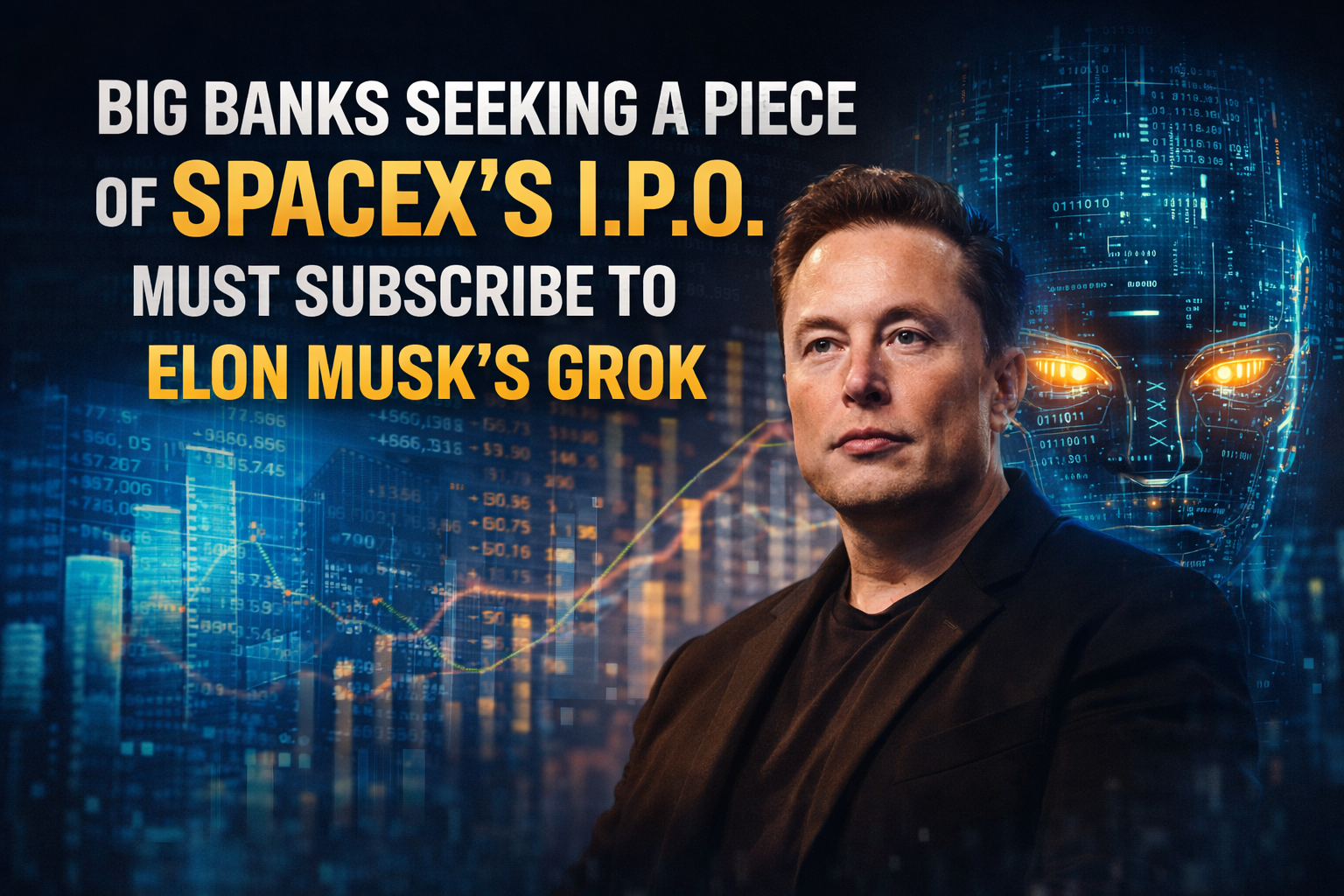
Introduction to SpaceX’s Upcoming IPO
Founded by Elon Musk in 2002, SpaceX has emerged as a trailblazer in the aerospace industry, revolutionizing space travel through groundbreaking advancements in rocket technology and spacecraft design. The company has successfully fulfilled numerous contracts with NASA and private institutions, positioning itself as a vital player in both commercial spaceflight and exploration initiatives. As SpaceX prepares for its upcoming initial public offering (IPO), the financial world is abuzz with the potential implications of this monumental event, which is projected to raise over $50 billion. This substantial capital influx not only reflects the market’s confidence in SpaceX’s capabilities but also underscores the growing interest in privatized space ventures.
The anticipated IPO is poised to make SpaceX one of the most valuable companies globally, with estimates suggesting a valuation exceeding $1 trillion. Such a figure would not only signify a benchmarks for biotech and tech sectors but also indicate a landmark moment in the history of space entrepreneurship. As the company prepares for public market entry, the intricacies surrounding its offerings, regulatory compliance, and financial structuring will heavily influence the successful execution and long-term sustainability of this endeavor.
In relation to this transformative IPO, Elon Musk’s bold requests to investment banks—most notably requiring them to subscribe to Grok, Musk’s AI-driven enterprise—highlight his innovative approach to finance. These unique demands underscore the interconnection between traditional financial practices and the revolutionary technologies that Musk champions. This forthcoming IPO stands not just as a means of raising capital; it is also a demonstration of Musk’s vision for integrating advanced technology into every facet of business, from operations to financial planning. As industry stakeholders closely monitor developments, the implications of SpaceX’s IPO promise to set new standards in both the aerospace sector and the financial markets.
Elon Musk’s Unconventional Demand
In a move that has captured the attention of the financial world, Elon Musk has mandated that all investment banks and law firms participating in his upcoming initial public offering (IPO) must subscribe to Grok, his proprietary artificial intelligence chatbot. This unusual requirement raises questions about the significance of AI technology in contemporary business practices, particularly in high-stakes financial environments. By insisting on the use of Grok, Musk is not only promoting his AI innovations but also signaling a shift in how technology can influence corporate strategies.
Musk’s rationale for this demand stems from his belief in the transformative potential of artificial intelligence. As a visionary entrepreneur, he perceives AI as a crucial tool that can enhance efficiency, improve decision-making processes, and drive market competitiveness. By requiring banks and law firms to integrate Grok into their operatives, Musk demonstrates an innovative approach to both business and technology, where the reliance on cutting-edge solutions becomes a prerequisite for collaboration in lucrative financial endeavors.
This demand places financial institutions in a position where they must adapt to new technological paradigms or risk losing out on lucrative opportunities associated with Musk’s ventures. Compliance with the Grok subscription may require institutions to reassess their existing systems and incorporate AI more broadly into their operational frameworks. As such, Musk’s insistence on Grok not only reflects his confidence in AI but also challenges the existing norms of professional collaboration within the finance and legal sectors.
In navigating these uncharted waters, financial institutions may find new avenues for innovation and efficiency, ultimately influencing the future landscape of the industry. Musk’s bold request highlights the growing intersection between finance and technology, urging stakeholders to embrace digital transformation as an essential element of modern business practices.
The Financial Institutions’ Response
The demand posed by Elon Musk for banks to subscribe to Grok has elicited significant reactions from major financial institutions and law firms. Musk’s call has not only raised eyebrows but has also prompted some of the most notable banks in the industry to seriously consider a strategic partnership with Grok. Many of these institutions recognize the potential implications that Grok could have on their operations, particularly in terms of data processing and technological advancements.
Several banks have already committed substantial resources to integrate Grok into their information technology systems. This decision reflects a growing acknowledgment of the competitive advantages that could arise from utilizing Grok’s capabilities. The integration of Grok is viewed by these entities as a forward-thinking move, potentially leading to improved efficiencies, access to advanced analytical tools, and enhanced customer engagement.
Furthermore, the financial community is keenly aware of the forthcoming SpaceX IPO. This major development necessitates that banks position themselves favorably to advise on one of the most anticipated initial public offerings in recent years. The eagerness of these institutions to secure a place in this monumental deal signifies their understanding of the potential benefits associated with being part of such a high-profile transaction. Financial firms are exploring various avenues, including aligning themselves with innovative technologies like Grok, to ensure they remain competitive amidst a rapidly evolving market landscape.
As financial institutions weigh the benefits against the cost of subscribing to Grok, it is evident that the prospect of accessing cutting-edge technology is driving many to reassess their strategic priorities. This shift illustrates the broader trends within the financial services sector, where technological innovation is becoming increasingly integral to success. The industry’s response to Musk’s unconventional demand serves as a testament to its commitment to embracing new tools and methodologies to stay ahead in a competitive environment.
Implications for the Future of IPOs and Technology Integration
Elon Musk’s demand that banks must subscribe to Grok as a condition for managing his company’s initial public offering (IPO) signifies a notable shift in how technology is intertwined with the IPO process. As businesses increasingly rely on innovative tools, this directive suggests a future where technology integration is crucial for financial advisory roles. Companies looking to go public may soon find themselves craving technological expertise more than traditional financial skill sets, creating a new standard for IPO requirements.
The implications of Musk’s demand could expand beyond individual IPOs. As major players in the market adopt similar strategies, the demand for integrated technological solutions in financing will likely rise. Financial institutions might be compelled to invest in advanced analytics, artificial intelligence, and machine learning to stay competitive in a rapidly changing landscape. An emphasis on technology could also result in more precise valuations and better forecasting, thereby enhancing the overall effectiveness of the IPO process.
Moreover, the relationship between technology firms and financial institutions is poised to evolve. Financial advisors may increasingly collaborate with tech companies to harness the power of data analytics for informed decision-making. This symbiosis could lead to a more streamlined and efficient IPO process, significantly benefiting both issuers and investors. The evolution will likely attract new entrants to the market, as emerging tech firms may develop tailored solutions to meet the needs of the evolving IPO landscape.
In light of these developments, the future of IPOs appears to hinge on the successful integration of advanced technologies. Companies that embrace innovative tools like AI may find new pathways for successful public offerings, while others could risk being sidelined in a competitive marketplace. The implications of this demand, therefore, may not only redefine the processes surrounding IPOs but could eventually reshape the landscape of financial advisory roles as technology continues to advance.
Aurora
Epsilon