
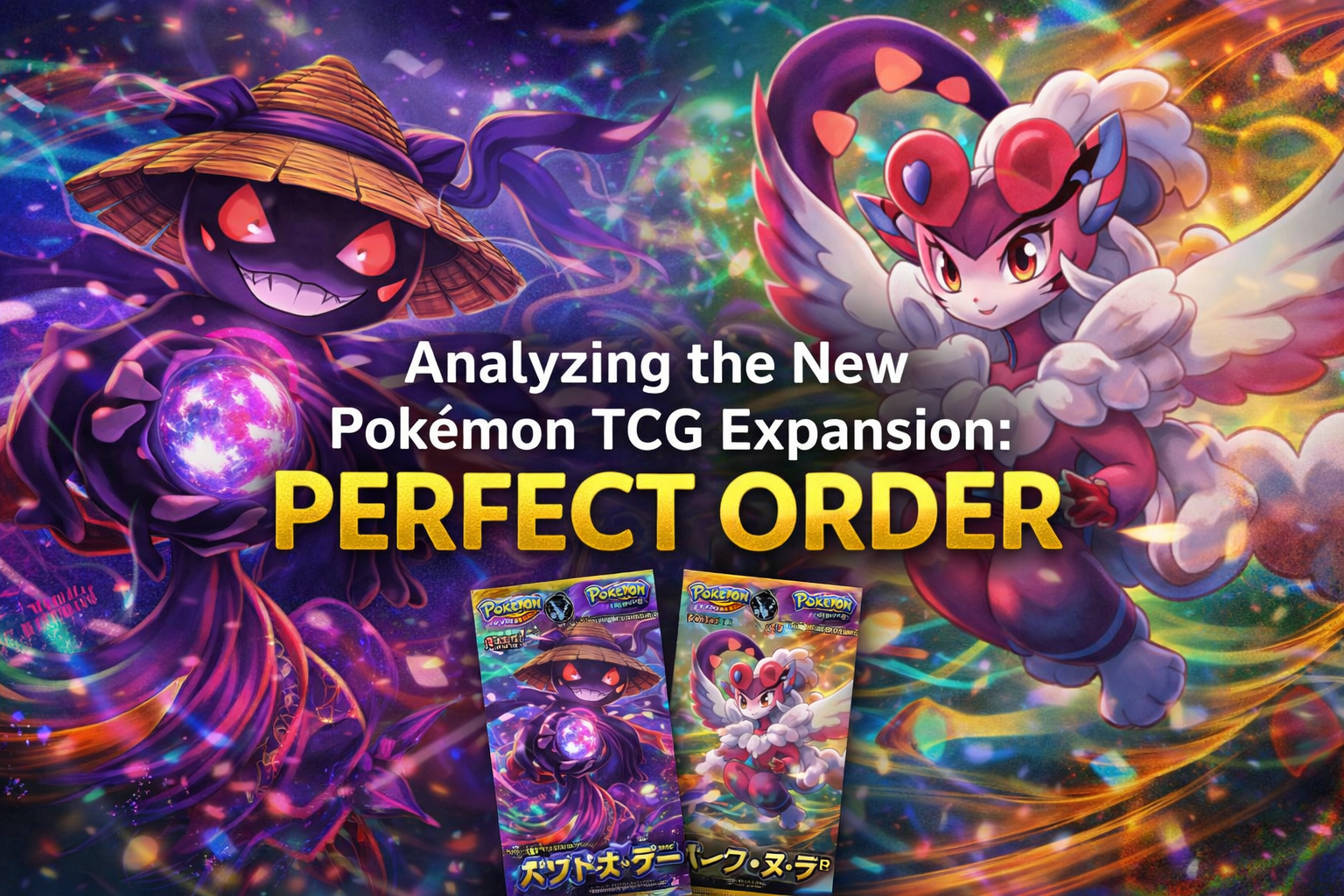
Introduction to Perfect Order
The latest expansion of the Pokémon Trading Card Game (TCG), titled Perfect Order, officially debuted on [insert release date]. As fans of the franchise eagerly anticipated its release, this expansion has generated considerable buzz within the Pokémon community. It is regarded as a significant addition to the TCG landscape, aiming to refine and expand the gameplay dynamics introduced in previous expansions.
Upon its arrival, Perfect Order has been met with a generally positive reception from both players and collectors. Many have expressed excitement over the new mechanics and card designs featured in this expansion, which are perceived as innovative compared to past releases. The expansion introduces a variety of fresh Pokémon cards, Trainer cards, and Energy cards, all of which are integrated seamlessly to offer enhanced strategic options in gameplay.
What sets Perfect Order apart from earlier expansions is its unique thematic approach, which emphasizes balance and harmony in gameplay. This has resonated with players who appreciate a more tactical style of play, elevating the competitive nature of the game. As stores across various regions reported substantive sales on launch day, the expansion’s popularity has visibly surged, suggesting a strong demand among both seasoned and new players.
In the coming sections, we will delve deeper into the key features of the Perfect Order expansion, examining not only the cards but also the overarching strategies encouraged by its design. The anticipation surrounding Perfect Order has certainly set a new benchmark for future expansions, reflecting the evolving landscape of the Pokémon TCG.
Market Analysis: Stock and Demand
The launch of the Pokémon Trading Card Game (TCG) expansion, Perfect Order, presents a notable contrast to previous releases in terms of market dynamics, particularly regarding stock availability and demand. While past expansions, like Ascended Heroes, witnessed rapid sell-outs and intense competition among collectors and investors, Perfect Order appears to have an unusually high level of stock on hand at retail outlets and online platforms. This phenomenon can be attributed to several interrelated factors that warrant closer examination.
Firstly, pricing strategies have played a crucial role in shaping the current market landscape. Retail prices for Perfect Order have been set relatively low, positioning the expansion as an attractive option for both casual players and serious collectors. This pricing approach, combined with the substantial stock level, suggests a strategic move by distributors aiming to bolster accessibility. In comparison, Ascended Heroes faced premium pricing that contributed to its rapid stock depletion, creating a sense of urgency among buyers.
Furthermore, media buzz surrounding Perfect Order has not generated the same level of excitement or anticipation as observed with previous expansions. Many fans and investors have noted a muted promotional campaign, leading to a diminished perceived value for the new cards. This lack of robust marketing efforts, alongside the existing stock surplus, indicates that the expansion may not ignite the fervent demand characteristic of earlier releases.
Reactions from the Pokémon community are diverse; while many fans express satisfaction with the expansion’s content, others question the long-term viability of such high stock levels, fearing that prices may stagnate. Investors, meanwhile, appear cautious, weighing the implications of oversupply against potential future value. Overall, the current market conditions for Perfect Order highlight a significant shift in the Pokémon TCG landscape, meriting close observation as reactions continue to unfold.
Understanding the Card Selection and Design
The Pokémon Trading Card Game (TCG) has seen numerous expansions, each contributing new dimensions and strategies to the gameplay. The latest expansion, Perfect Order, stands out due to its unique characteristics, specifically its reduced size, comprising only 124 cards. This smaller selection significantly alters the dynamics for both players and collectors. The absence of iconic figures such as Charizard or Pikachu, traditionally seen as major draws for fans, raises questions about the expansion’s appeal and marketability.
With fewer cards, the distribution of rarities takes on a different shape, likely leading to more pronounced interest in specific cards. Collectors may find the compact set appealing as it fosters a more manageable collection process. Additionally, the limited number of cards can cultivate a sense of exclusivity, making each card potentially more desirable. However, the lack of well-known characters might deter some collectors who usually hinge their interest on the presence of these heavy-hitters.
The design choices within Perfect Order are noteworthy, encapsulating thematic elements that reflect the ongoing evolution of the Pokémon universe. The artworks tend to explore less familiar Pokémon, showcasing various styles and artistic interpretations that might intrigue established fans and newcomers alike. Such a focus on lesser-known Pokémon can serve as a double-edged sword—while it promotes diversity and deeper exploration of the franchise, it may also alienate individuals searching for familiar values.
The thematic cohesion of the card set is paramount. With a landscape centered on exploration and adventure, the synergy among cards reinforces strategic play. This could offer veterans a fresh challenge while attracting newer players looking for engaging gameplay beyond the older, established meta. In conclusion, the Perfect Order expansion’s unique selection and design choices reflect a significant shift that may redefine the motivations driving player and collector interest in future Pokémon TCG selections.
The Future of the Pokémon TCG: Opportunities and Challenges
The Pokémon Trading Card Game (TCG) has long enjoyed a position as one of the most beloved collectible card games in the market. However, with the recent lukewarm reception of the new expansion, Perfect Order, a critical examination of the future of the Pokémon TCG is warranted. As the community reflects on the implications of this latest release, it is crucial to assess how the reactions might influence upcoming sets and the overall engagement of the player base.
One significant opportunity arising from the response to Perfect Order lies in the potential for innovation within future expansions. The feedback from the community regarding the balance, artwork, and mechanics showcased in Perfect Order can serve as a guide for developers, encouraging them to create sets that resonate more deeply with players. Understanding player expectations and preferences is vital for the longevity of the TCG. As the landscape of collectible card games evolves rapidly, the Pokémon Company may find it beneficial to adapt its design philosophy to align with current trends and player desires.
Conversely, the challenges presented by Perfect Order’s reception could lead to potential market stagnation if not addressed effectively. The community may drift away if upcoming sets do not bring fresh and exciting content that reignites interest. This situation highlights the delicate balance between innovation and tradition that game developers must navigate. Keeping the Pokémon TCG relevant amid a plethora of new competition is imperative. Furthermore, the evolving relationship within the community itself poses another challenge; a divide may form between seasoned collectors and newer players, impacting the overall cohesion of the player base.
In essence, the future of the Pokémon TCG hinges on the ability to learn from past expansions while embracing opportunities for growth and improvement. Responding thoughtfully to the lukewarm reception of Perfect Order can shape the dynamics of this enduring hobby and ensure its vibrant continuation in the years to come.
Los Angeles