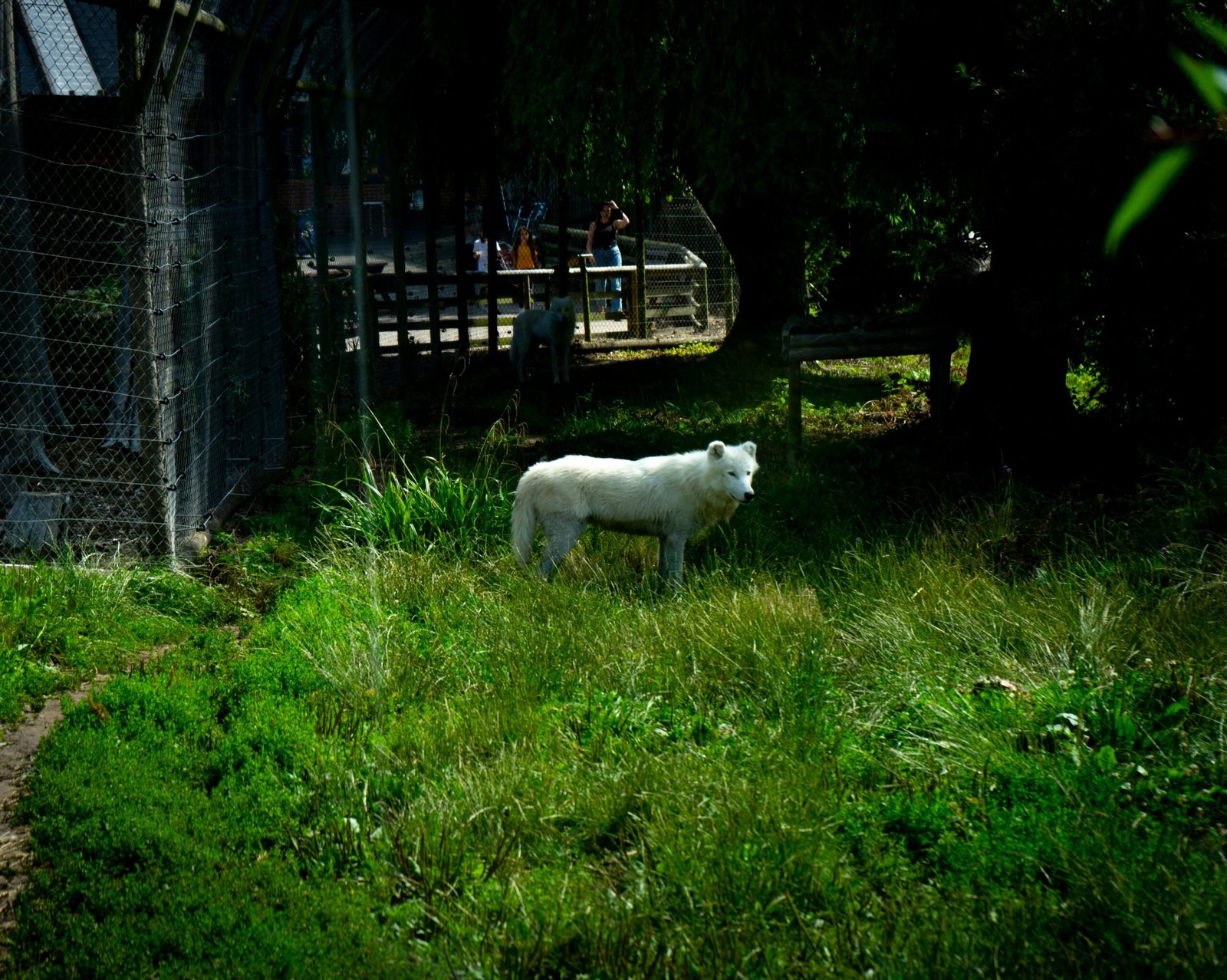
Understanding the Changing Landscape
The wolf population in Yellowstone National Park has undergone a remarkable resurgence since their reintroduction in the mid-1990s. This effort was primarily driven by conservationists who acknowledged the ecological imbalance resulting from the wolves’ absence. Since their return, these apex predators have significantly influenced both wildlife and vegetation dynamics in the region. Their presence has fostered a healthier ecosystem by helping to control the populations of herbivores, such as elk and deer, which in turn has enabled the recovery of various plant species.
Before their reintroduction, the absence of wolves led to a phenomenon known as trophic cascading, where unchecked herbivore populations overgrazed vegetation, resulting in habitat degradation and loss of biodiversity. With the wolves back in the ecosystem, the balance has been gradually restored, showcasing their essential role. The wolves act not only as predators but also as keystone species, influencing the entire biological community.
However, despite these positive developments, the wolf population in Yellowstone is currently facing emerging threats that could undermine their hard-won success. Environmental changes, human encroachment, and varying attitudes towards wolves are creating challenges that may impact their survival. Local ranching activities and agricultural practices have led to increased conflicts with ranchers, further complicating the wolves’ situation. Additionally, climate change is altering the landscape, potentially affecting prey availability and habitat suitability for wolves.
As we explore the current state of the wolf population in and around Yellowstone, it becomes evident that understanding these changes and the threats facing these magnificent creatures is crucial. Proper management strategies and conservation efforts are necessary to ensure that wolves continue to thrive in their natural habitat, reinforcing the importance of their role in the ecosystem.
The Emerging Threat: Human-Wildlife Conflict and Habitat Loss
As the wolf population in and around Yellowstone National Park has recovered over the past few decades, emerging threats are now putting this success at risk. Among these, human-wildlife conflict and habitat loss stand out as significant challenges. With the increasing urban expansion, agricultural development, and road construction, the natural habitats that wolves rely upon are rapidly diminishing.
Urban development encroaches upon wild areas, fragmenting ecosystems and isolating wolf populations. This fragmentation limits the wolves’ access to prey and breeding grounds, ultimately exacerbating genetic bottleneck issues within local populations. In a study conducted by the U.S. Fish and Wildlife Service, it was reported that over the past fifteen years, the area suitable for wolf habitation has decreased by approximately 20%. This alarming statistic highlights the urgency of the need to address habitat loss.
Agricultural practices also pose a threat to wolves. Livestock grazing often leads to direct confrontation between wolves and farmers, resulting in detrimental outcomes for both. Farmers may resort to lethal control measures, further decreasing the already fragile wolf populations. Experts argue that implementing coexistence strategies, such as compensation programs for livestock losses, can help mitigate these conflicts, providing a solution that benefits both wolves and local agricultural interests.
Road construction additionally disrupts wolf habitats by increasing mortality rates through vehicle collisions and restricting movement across territories. According to the Highway Safety Research Center, wildlife vehicle collisions in regions bordering Yellowstone have surged by over 30% in the last decade, with wolves being disproportionately affected. These interactions not only threaten the physical survival of individual wolves but also impact the broader ecological balance within the region.
Continued research and collaboration between wildlife management authorities, conservation organizations, and local communities are essential to developing effective strategies. Addressing habitat loss and minimizing human-wildlife conflicts will be crucial in ensuring the long-term survival of wolves in this iconic landscape.
Impact of Climate Change on Wolf Behavior and Habitat
Climate change is an increasingly pressing issue that poses significant challenges to various wildlife species, including wolves inhabiting the regions of Yellowstone. As the climate continues to shift, the behaviors and habitats of these apex predators are becoming substantially affected. One key area of concern is the availability of prey, which is directly influenced by changing environmental conditions. For instance, a rise in temperatures can lead to shifts in the ranges of herbivore populations such as elk and deer, which are primary food sources for wolves. If prey migrates to areas less accessible to wolves, this can lead to decreased hunting success and an increase in competition among packs.
Moreover, fluctuations in temperature can adversely affect the ecosystems that support wolf habitats. Warmer temperatures can result in altered vegetation patterns, which may impact not only the food supply for herbivores but also the overall structure of the habitat. As habitats change, wolves may find themselves facing barriers to their typical hunting grounds, forcing them to adapt their hunting strategies or even shift their home ranges. These adaptations can introduce additional stressors to their populations, potentially leading to decreased reproductive rates.
Furthermore, extreme weather events, such as droughts or heavy snowfall, can complicate the dynamics of predator-prey interactions. In periods of drought, herbivore populations may decline due to food scarcity, which in turn leads to limited food sources for wolves. Conversely, heavy snowfall can inhibit wolves’ ability to hunt effectively. With these evolving conditions, the resilience of wolf populations is continuously tested, and conservation efforts must be adaptive to address the challenges posed by climate change.
Conservation Efforts: What Can Be Done to Protect the Wolves?
The conservation of wolves in and around Yellowstone National Park is critical for maintaining the ecological balance of the region. Currently, a combination of governmental initiatives, non-governmental organizations (NGOs), and local communities work collaboratively to protect these majestic creatures. The U.S. Fish and Wildlife Service plays a pivotal role, along with state wildlife agencies, in enforcing laws that safeguard wolf populations. They monitor the existing packs, conduct population surveys, and manage hunting quotas to ensure sustainable numbers.
Moreover, NGOs such as the Yellowstone to Uintas Connection and the Wolves of the Rockies advocate for wolf welfare through education and community engagement initiatives. They organize events aimed at raising awareness about the ecological importance of wolves, encouraging public support for conservation efforts. The partnerships formed between these organizations and local communities are vital; they enable a platform for dialogue about coexistence strategies, thereby fostering an environment where both wildlife and human interests are respected.
Moving forward, several strategies can reinforce the current conservation framework. Firstly, enhancing habitat preservation is an essential step, as wolves require ample space to hunt and establish territories. Secondly, implementing compensation programs for livestock losses due to wolf predation could alleviate human-wolf conflict. Such programs can encourage local ranchers to adopt non-lethal deterrence methods, thus reducing the necessity to cull wolves.
Engaging with the public is equally important. Educating the community on the ecological role of wolves and promoting wolf-watching tourism could create economic incentives for their protection. Individuals can also contribute by supporting local conservation organizations, advocating for protective policies at local and federal levels, and considering responsible eco-friendly travel options to Yellowstone. Each effort plays a part in the larger mission to ensure that wolves remain a vibrant part of the Yellowstone ecosystem.