Scientists Fear Climate Data Gap as Trump Aims at Satellites
The Importance of Climate Data
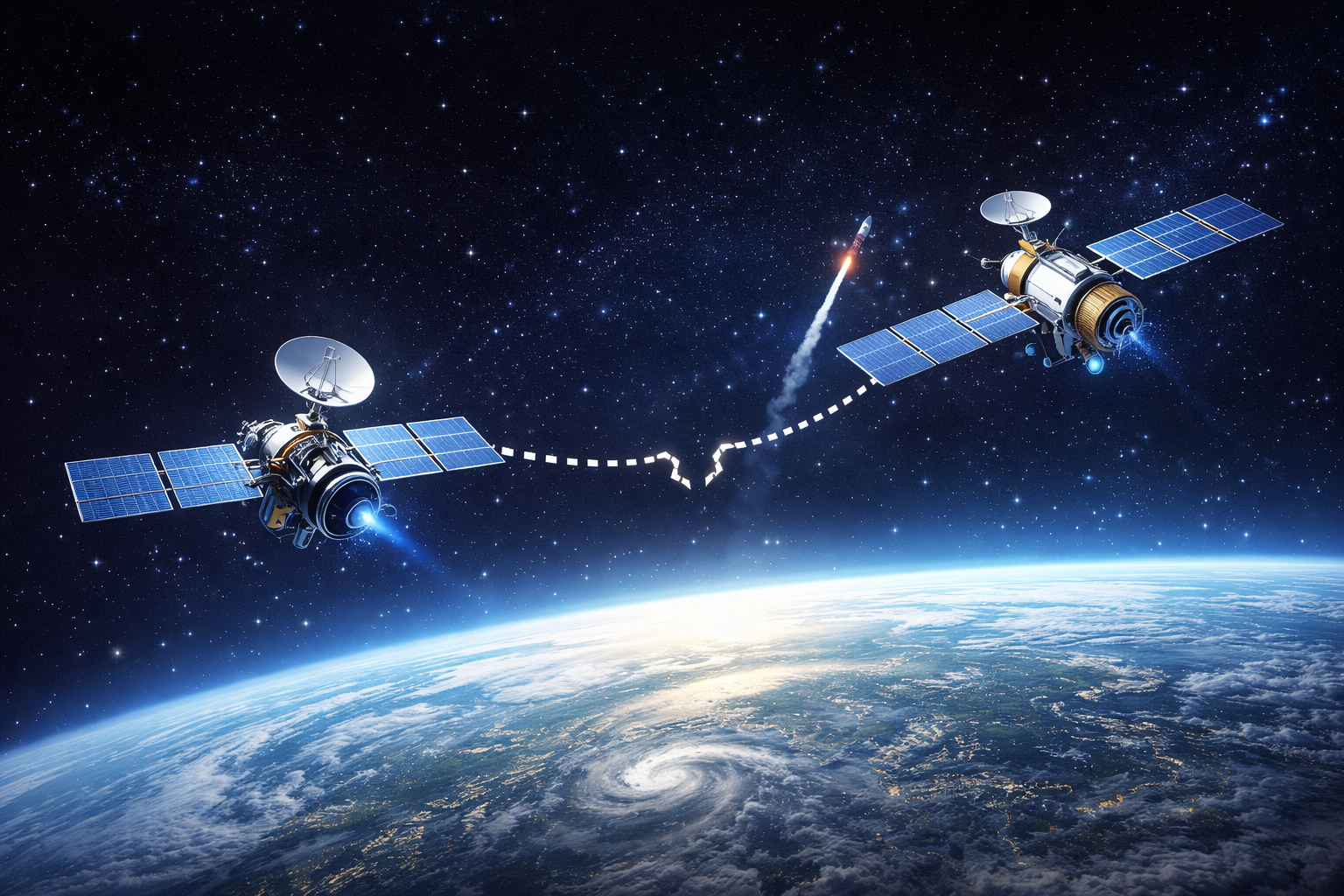
Climate data collected through satellite technology plays a pivotal role in monitoring and understanding the Earth’s climate system. These satellites provide critical information that aids in the detection of climate change, enabling scientists to analyze atmospheric, oceanic, and terrestrial data over vast areas and time scales. Through various missions, satellites like NASA’s MODIS (Moderate Resolution Imaging Spectroradiometer) and ESA’s Sentinel series have been instrumental in gathering essential environmental data.
One of the significant benefits of satellite data is its ability to offer a comprehensive view of the planet’s climate. For instance, remote sensing technology allows researchers to monitor land surface temperatures, sea-level rise, ice cap melting, and greenhouse gas concentration. Such observations are crucial for identifying trends and variations in climate patterns, which can be indicative of more extensive environmental shifts. Satellite data also enables real-time monitoring of extreme weather events, thus improving disaster preparedness and response strategies.
Additionally, satellite data serves as a foundational element in climate modeling and policy-making. By providing empirical evidence, this data assists researchers in making accurate predictions and assessments regarding future climate scenarios. Moreover, policymakers rely on satellite observations to formulate effective strategies aimed at mitigating climate change impacts, underscoring the data’s essential role in shaping environmental regulations and practices.
In summary, the extensive and diverse climate data collected via satellites is fundamental to advancing scientific research and increasing public awareness about climate change. The contributions of specific satellites and missions continue to enhance our understanding of global climate patterns, making the preservation and maintenance of satellite systems crucial for future climate monitoring efforts.
Current Threats to Satellite Programs
The ongoing threats to satellite programs under the Trump administration pose significant concerns for the continuity and accuracy of climate data collection. Among the most pressing challenges are proposed cuts to federal funding that directly affect various scientific research initiatives, particularly those related to climate monitoring. The reduction in budgets allocated for satellite systems can hinder the development and operational capabilities that are crucial for tracking climate change indicators. These budgetary constraints could severely limit the ability to gather comprehensive satellite data, which is intricately linked to environmental research.
In addition to funding cuts, there is growing concern regarding the potential privatization of satellite operations. Efforts to involve private industry in satellite data provision may compromise the reliability and accessibility of important climate information. While privatization might promote cost-effectiveness, it raises questions about the prioritization of profit over public interest, especially in a field as critical as climate monitoring. The implication of reducing government involvement could lead to gaps in data coverage, limiting the ability of scientists and researchers to access the necessary resources for comprehensive climate assessments.
The consequences of these developments are multifaceted. Scientists who have traditionally relied on government-funded satellite programs for precise and timely data may find themselves at a disadvantage. As the precision of climate models largely depends on accurate satellite monitoring, any disruption in data availability could undermine ongoing research efforts. As such, the potential erosion of public access to satellite data could severely impact the scientific community’s ability to provide informed guidance on climate change, ultimately leading to a data gap that hinders effective policy formulation and response strategies.
Implications for Climate Research and Policy
The potential consequences of a gap in climate data are far-reaching, particularly concerning scientific research and the formulation of climate policy. Reliable data serves as the cornerstone for climate models that guide predictions about future climate scenarios. Without accurate and comprehensive satellite data, researchers may struggle to track various climate indicators, ranging from atmospheric temperatures and greenhouse gas concentrations to ocean currents and ice cap dynamics.
This unprecedented void in data can severely hinder the development of precise predictive models, which are essential for understanding the pace and effects of climate change. Consequently, policymakers might rely on outdated or incomplete information when designing regulations and interventions aimed at mitigating climate-related issues. This can lead to poorly informed decisions that do not adequately address the urgency of climate challenges.
Moreover, the implications extend beyond mere scientific inquiry and policy development. Inadequate climate data can undermine global climate action initiatives, reducing the effectiveness of international agreements, such as the Paris Agreement. A lack of reliable indicators can result in ineffectual targets and weakened accountability mechanisms among countries, thus exacerbating the climate crisis.
The repercussions on public health and environmental sustainability are equally significant. Insufficient data can obscure the understanding of climate change’s direct and indirect impacts on human health, such as increased heat-related illnesses or the spread of infectious diseases. Additionally, without solid data, it becomes exceedingly difficult to implement adaptive measures that safeguard ecosystems and biodiversity, which are crucial for sustainable development.
In essence, a gap in climate data could stymie progress towards climate resilience and hinder efforts to build a healthier, more sustainable world. The collective responsibility lies in ensuring that robust data systems remain intact to inform both scientific and policy endeavors aimed at combating climate change.
The Future of Climate Data: Advocacy and Solutions
The ongoing challenges of climate change and environmental degradation underscore the necessity for robust climate monitoring systems. In light of recent policy shifts, particularly those affecting satellite programs, scientists and advocates are mobilizing to ensure the continuity and enhancement of climate data collection. Advocacy efforts by scientists, researchers, and environmentalists have been pivotal in drawing attention to the significance of satellite programs in providing accurate and timely climate data. They aim to secure crucial funding and support for these initiatives, emphasizing the invaluable role satellites play in monitoring global temperatures, sea level rise, and atmospheric changes.
Potential solutions to mitigate the data gap include fostering international collaboration and forming public-private partnerships. By pooling resources and expertise across nations, stakeholders can develop comprehensive systems that not only gather extensive climate data but also facilitate information sharing. Additionally, leveraging advancements in technology can enhance the efficacy of satellite surveillance. Innovative approaches such as small satellite constellations enable more cost-effective and flexible data collection, ensuring that critical information remains accessible.
It is essential for various stakeholders, including government entities, private organizations, and the public, to join forces in supporting robust climate monitoring efforts. Public awareness campaigns can mobilize community engagement, driving home the message that climate data is a shared resource vital for informed decision-making. Educational initiatives can also empower citizens to advocate for science-based policies and investment in satellite technology.
In conclusion, consolidating advocacy efforts, advancing collaborative frameworks, and embracing technological innovation are crucial steps in securing the future of climate data. By prioritizing these initiatives, we can work towards a sustainable future that ensures accurate monitoring and informed responses to climate challenges.
Construction Monitor LLC