Overview of Recent Events
The geopolitical landscape in the Middle East has recently witnessed significant upheaval, marked by a series of military actions that have escalated tensions between Iran, the United States, and Israel. In a bold move, the U.S. launched targeted strikes against Iranian military positions, citing a necessity to protect American interests in the region. Concurrently, Israel has also engaged in strikes aimed at Iranian installations in Syria, further complicating the theater of conflict.
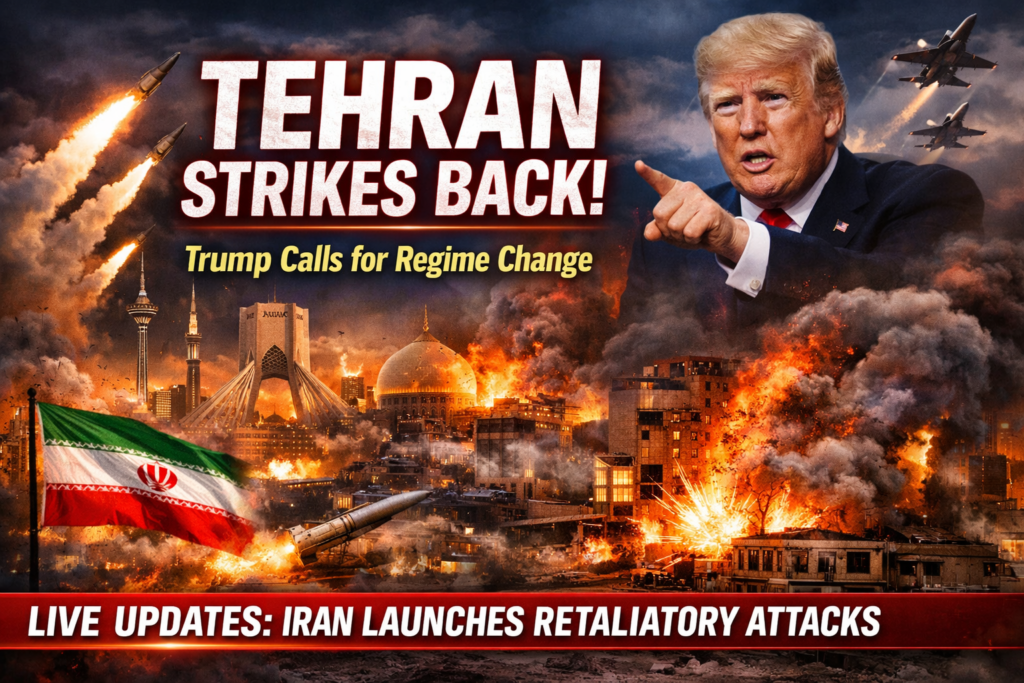
In alignment with these military actions, President Donald Trump has issued a public appeal directed towards the Iranian populace, expressing support for their struggle against the current regime. This appeal is perceived as a strategic attempt to undermine the legitimacy of the Iranian government and to encourage dissent among its citizens. Trump’s rhetoric underscores a broader U.S. policy aimed at fostering regime change, which has been a point of contention in diplomatic circles.
This series of events marks a significant escalation in U.S. military intervention in Iran and the surrounding regions. Analysts have noted that the combination of direct military engagement and calls for regime change creates a precarious situation, elevating the risk of further armed conflict. These developments not only invite scrutiny from international observers but also raise questions about the long-term implications for regional stability and U.S. foreign policy.
As the situation unfolds, it remains critical to monitor ongoing developments closely. The intricate dynamics between military action, political appeals, and the responses of the Iranian government and population will undoubtedly shape the future trajectory of this crisis. Understanding these nuances is vital for comprehending the larger implications of these confrontations on global security and diplomatic relations.
Details of the Attacks
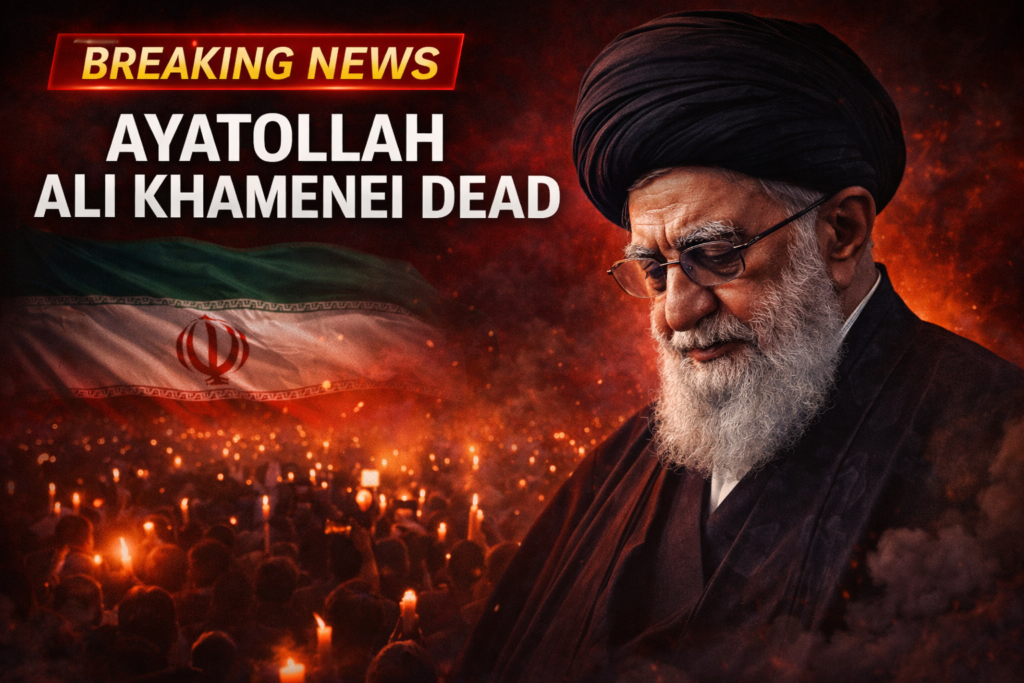
Recent military action against Iran has raised significant concern and speculation regarding the implications of these strikes. The first wave of attacks primarily targeted strategic locations in Tehran, including critical infrastructure and high-profile government buildings. Among these targets was the office of Ayatollah Ali Khamenei, Iran’s Supreme Leader. Such a strike not only symbolizes a direct challenge to the Iranian regime but also signals an escalation in hostilities, potentially provoking further retaliation.
Locations struck included military bases known to house ballistic missile systems, which are pivotal to Iran’s defense strategy. The consequences of targeting such areas are profound, as they could cripple Iran’s military capabilities, potentially leading to a shift in regional power dynamics. The strikes have been perceived by many as a direct attempt to undermine the Iranian government’s authority and influence.
The response from Iranian media has been dramatic, featuring extensive coverage of the aftermath. News outlets have broadcast images showing plumes of smoke rising ominously from various sites around Tehran, illustrating the attack’s severity. These visuals serve to amplify public sentiment and rally nationalistic feelings among the Iranian populace. Furthermore, statements from Iranian officials emphasize a narrative of resilience and retaliatory resolve, indicating that the regime may respond decisively to these provocations.
In a broader context, the situation emphasizes the ongoing tensions between the United States and Iran, especially in light of recent political discourse advocating for a regime change in Tehran. The military strikes, coupled with incendiary rhetoric, could lead to a perilous cycle of escalation. It is crucial for observers to analyze these developments carefully, considering both their immediate impacts and long-term ramifications within the region.
Iran’s Retaliatory Measures
In the wake of recent U.S. and Israeli strikes, Iran’s response has manifested through a series of coordinated missile and drone attacks targeting both Israel and U.S. military installations in the region. This military action reflects Iran’s strategic objectives to assert its influence and deter perceived threats from adversarial nations. The strikes, which have reportedly utilized advanced missile technology and drone capabilities, underscore Iran’s commitment to retaliate against aggressions, with implications not only for regional stability but also for broader geopolitical dynamics.
The primary goal behind these retaliatory measures appears to be twofold: to signal resilience in the face of external aggression and to bolster Iran’s deterrent capabilities. By showcasing its military prowess, Iran aims to maintain its position as a key player in the Middle East, deterring potential future assaults through a display of strength. Furthermore, such actions serve to unify domestic support by framing the response as a defense of national sovereignty and pride against foreign intervention.
Moreover, the nature of the strikes indicates an evolution in Iran’s military capabilities, with advancements in precision munitions and operational coordination being particularly noteworthy. This development points to a broader strategic shift within Iran’s defense posture, moving from purely defensive measures to a more proactive stance that encompasses preemptive actions. The ramifications of these strikes extend beyond immediate military engagements; they impact diplomatic relations and alliances in the region, potentially escalating tensions and prompting countermeasures from the U.S. and its allies.
In essence, Iran’s retaliatory strikes exemplify a calculated military strategy designed to both reassert its regional influence and deter foreign aggression, a strategy that may redefine the balance of power in ongoing conflicts across the Middle Eastern landscape.
International Responses and Diplomatic Efforts
The recent military escalation stemming from Tehran’s retaliatory strikes and the subsequent calls for regime change by the United States have prompted a wave of international responses. Among the nations deeply concerned by the ongoing situation is Egypt, which has taken proactive steps to engage in consultations with various countries to seek potential diplomatic resolutions. Egyptian Foreign Minister Badr Abdelatty has voiced significant apprehension regarding the Iranian circumstances, emphasizing the potential ramifications of further conflict in the region.
With tensions soaring, Abdelatty has warned that the escalation could lead to destabilization beyond Iran’s borders, underscoring the necessity for collaborative approaches that prioritize diplomacy. In discussions with international counterparts, Egypt aims to encourage restraint and the exploration of peaceful solutions to avert an imminent crisis. The hash of divergent interests among regional players complicates this effort, as each state navigates its position regarding Iran and the United States.
Several other countries have echoed Egypt’s calls for diplomatic dialogue, recognizing that a military-centric solution could exacerbate the already tumultuous situation. International organizations, including the United Nations, have also expressed concern over the rising tensions and have urged both Tehran and Washington to de-escalate the situation through negotiations. Given the complexity of the conflict, it has become increasingly evident that diplomatic engagement is the most viable path forward to prevent further hostilities and foster stability in the region.
Overall, the international landscape surrounding the Iranian conflict is fraught with challenges; however, collaborative diplomatic efforts are pivotal in addressing the underlying issues and seeking sustainable peace. Egypt’s active role in advocating for dialogue serves as a reminder of the importance of multilateral engagement and the potential for diplomacy to mitigate crises in historically volatile regions.