The Announcement of Khamenei’s Death and Initial Reactions
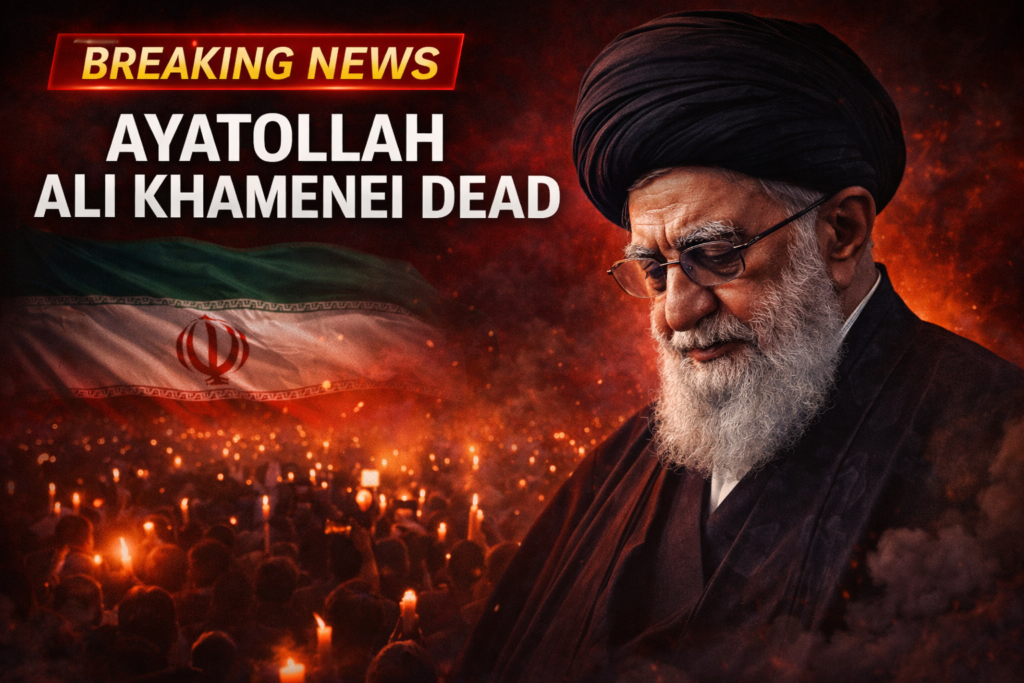
The announcement of Ayatollah Ali Khamenei’s death marked a pivotal moment for Iran, evoking a profound emotional response from both the public and officials. As Iran’s Supreme Leader since 1989, Khamenei’s leadership profoundly shaped the nation’s political landscape, influencing numerous domestic and global policies. Following the announcement, state television presenters expressed the gravity of the situation, visibly displaying their grief and underlining the leader’s substantial legacy.
The initial reactions were characterized by a mix of sorrow, disbelief, and anxiety about what the future holds for Iran. Citizens took to the streets in large numbers, some engaging in memorial gatherings, while religious and political figures issued statements reflecting on Khamenei’s long-standing role in steering the country through both internal strife and external pressures. This outpouring of emotion indicates the depth of Khamenei’s influence and the unprecedented vacuum his death leaves in the Iranian power structure.
In accordance with cultural traditions, a 40-day mourning period was announced, reflecting the societal norms surrounding death and mourning in Iran. This period is expected to affect various aspects of life, including governance and public discourse, as the nation grapples with its loss. Khamenei’s death raises critical questions regarding the future leadership of Iran and the potential instability that could arise in the wake of such a significant transition. The implications extend beyond national borders, impacting the geopolitics of the region as various factions and international actors begin to reassess their strategies in relation to Iran.
Details Surrounding the US-Israeli Strikes
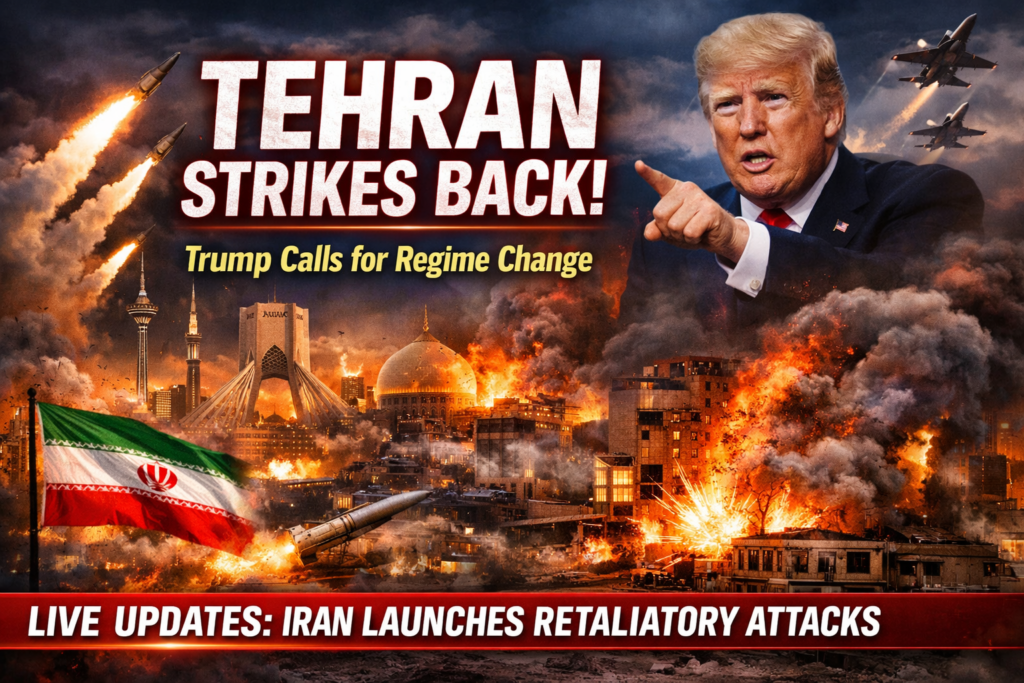
The recent military operation conducted by the United States and Israel, which resulted in the death of Ayatollah Ali Khamenei, reflects a significant escalation in their confrontational strategy towards Iran. This operation, meticulously designed, focused on high-value targets linked to Iran’s military command structure. Key elements of this strategy appeared to involve both precision airstrikes and cyber operations aimed at crippling Iran’s defense networks.
Intelligence reports preceding the strikes indicated that Khamenei was involved in orchestrating operations that threatened US and Israeli interests in the region. As a result, the targets were not merely symbolic; they encompassed command and control centers, which were critical to Iran’s military operations. The strikes employed a combination of drones and missiles, reflecting a sophisticated approach aimed to minimize collateral damage while maximizing operational efficacy.
The implications of these strikes on Iran’s military capabilities are profound. With the loss of its supreme leader, Iran faces potential internal instability and a fragmented command structure, which could hinder its strategic response to further provocations. In addition, such military actions are likely to exacerbate tensions within the region, provoking retaliatory measures from Iranian proxies across the Middle East.
Geopolitically, the strikes align closely with US and Israeli interests by attempting to diminish Iranian influence in Syria and Lebanon, while simultaneously enhancing their own security posture. This operation may serve to deter Iran’s ambitions, but it also escalates the risk of broader regional conflict as allies and adversaries reassess their positions in light of this significant shift in power dynamics.
International Reactions and Implications for Global Politics
The death of Ayatollah Ali Khamenei, Iran’s Supreme Leader, has elicited a diverse range of reactions from across the globe, showcasing the intricate tapestry of international relations surrounding Iran. U.S. President Donald Trump expressed that Khamenei’s passing could represent a pivotal moment, indicating potential shifts in the power dynamics not only within Iran but also in the broader Middle East. Trump’s statements often reflect his administration’s view of Iran as a significant adversary, suggesting that Khamenei’s absence may open doors for negotiating a new strategy in addressing Iranian influence in the region.
Similarly, Israeli officials have reacted with a mix of caution and opportunism. The Israeli leadership, frequently vocal about their concerns regarding Iranian activities, may see Khamenei’s death as a chance to bolster efforts against Iranian regional ambitions. Statements have hinted at an expectation that new leadership in Iran could either lead to a more aggressive stance toward Israel or, conversely, encourage reformist movements seeking to diminish the ideological extremism that has been a hallmark of Khamenei’s rule.
Among Iran’s regional allies and adversaries, reactions have been keenly observed. Countries like Hezbollah in Lebanon have lauded Khamenei’s leadership while expressing apprehension about a potential vacuum of authority in Iran. Conversely, nations like Saudi Arabia and the United Arab Emirates, which have historically opposed Iran’s regional ambitions, may view this as an opportunity to exploit any internal dissent or power struggles that arise. The implications for global politics are profound; as new leaders emerge in Iran, there is the possibility for shifts in foreign policy that could reverberate through international alliances and conflicts.
The Future of Iran’s Leadership and Stability
The death of Ayatollah Ali Khamenei represents a significant turning point in Iran’s political landscape, with far-reaching implications for the country’s governance and internal stability. Khamenei, who has led Iran since 1989, has cultivated a stronghold on power, and his passing may trigger a complex struggle among potential successors within the ruling elite. Key figures in the Islamic Republic, such as Ebrahim Raisi, the current president, and members of the Guardian Council, may vie for influence as they represent divergent perspectives on governance and political priorities.
As the ruling elite grapples with succession, the balance of power could shift, leading to possible tensions within the establishment. Some factions may push for continuity in Khamenei’s policies, while others might advocate for reform-oriented approaches. The dynamics of these internal struggles are likely to shape Iran’s political future, influencing everything from foreign policy to social freedoms.
The Iranian populace will also be deeply affected by this transition. Public sentiment varies, and a segment of society may demand substantial reforms and greater political representation, highlighting a yearning for change amidst an extended period of repression. Conversely, there is fear that instability could lead to internal conflict,eroding national unity in a nation already beset by socio-economic issues and international pressures.
Anticipating the future governance structure in Iran is fraught with uncertainty. Scenarios range from a smooth transition, bolstered by a consensus among the elite, to potential uprisings fueled by widespread discontent. The critical challenge will be for the new leadership to navigate these treacherous waters while fostering a sense of national cohesion that can stave off fragmentation. The importance of maintaining social order and promoting reform will be pivotal in determining Iran’s trajectory in the wake of Khamenei’s death.