Overview of the Middle East Tensions
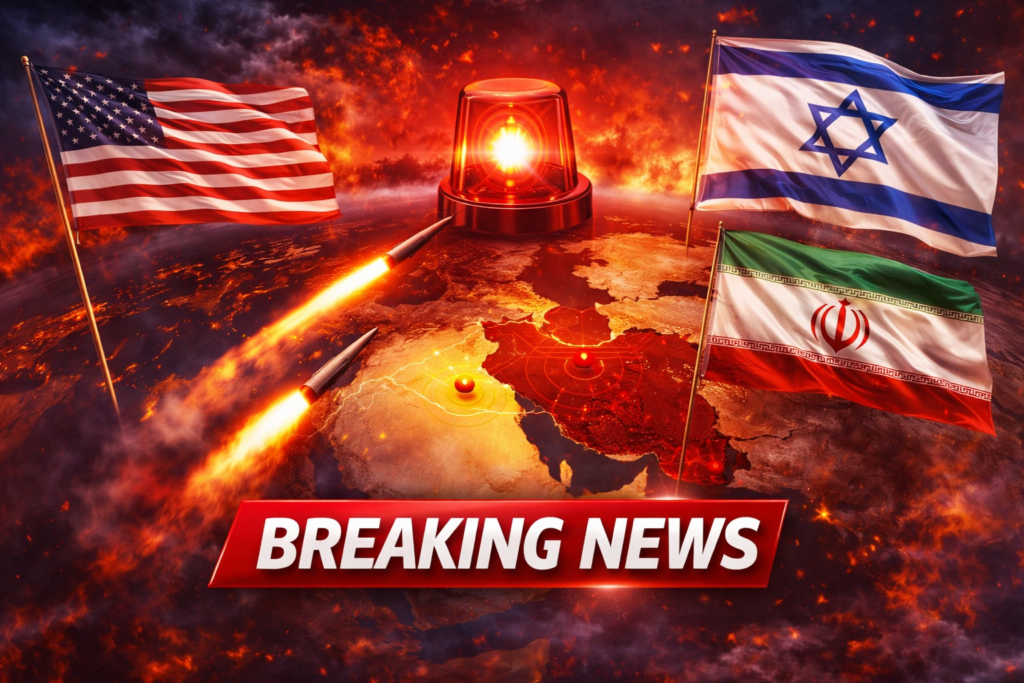
The geopolitical landscape of the Middle East has become increasingly fraught as tensions between Iran, Israel, and the United States escalate. This situation reached a pivotal point due to various incidents, one of the most notable being Iran’s missile strikes on Israeli interests within the region. Such actions exemplify Iran’s ongoing strategy to assert its influence, posing significant challenges to Israeli security and stability.
In response to these provocations, both the United States and Israel have ramped up their military preparedness. The United States has reaffirmed its commitment to support Israel through intelligence-sharing and military aid, while Israel has conducted airstrikes targeting Iranian assets in Syria and beyond. The reciprocal nature of these aggressive actions has intensified the cycle of retaliation, raising the stakes for all parties involved.
The background of animosities is deeply rooted in a complex tapestry of historical grievances, ideological differences, and territorial disputes. Iran’s pursuit of nuclear capability remains a contentious issue, further complicating diplomatic relations and heightening apprehensions regarding regional security. The nuclear deal negotiations, or lack thereof, have inflamed tensions, prompting Israel to take preemptive actions to thwart potential threats from an empowered Iran.
Moreover, the influence of external actors, including other regional powers and international allies, adds a layer of complexity that affects the dynamics of this conflict. The rivalries and alliances formed over the years have forged an environment where escalating military engagements are commonplace. The Persian Gulf, characterized by its strategic significance, serves as a focal point for these conflicts, with all parties aware of its implications for global trade and energy flows.
As tensions heighten, it is crucial to consider the broader implications of military engagements and their potential impact on global stability. Understanding the intricate web of alliances, animosities, and geopolitical strategies is essential to grasp why the current situation is precarious and merits close scrutiny.
The Incident at Burj Khalifa
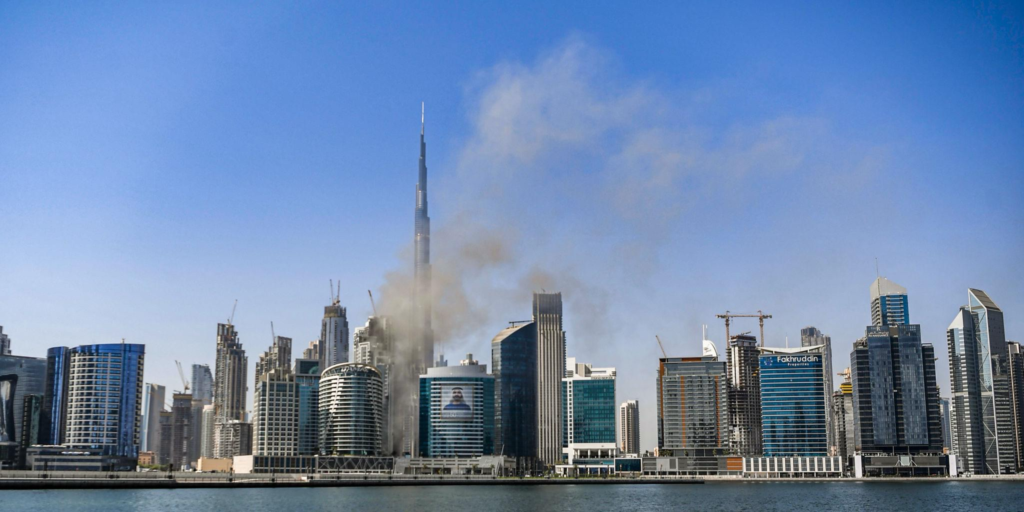
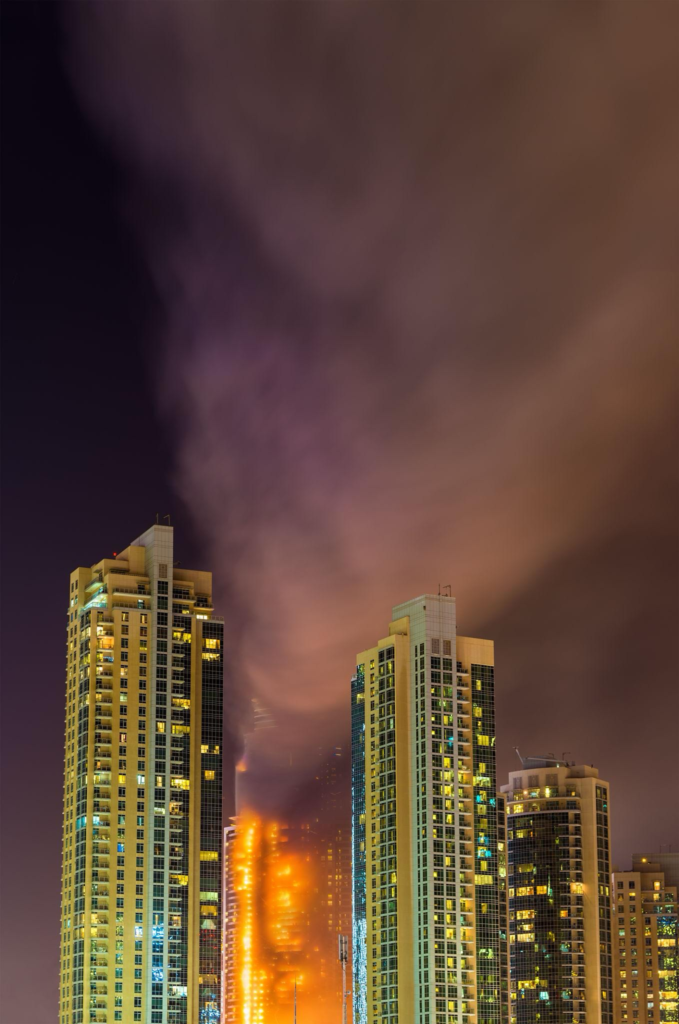
On a seemingly ordinary evening, the iconic Burj Khalifa became the focal point of widespread concern when reports of explosions echoed through Dubai. Eyewitnesses described hearing a series of loud bangs in the vicinity of the skyscraper, prompting a swift emergency response from local authorities. The Burj Khalifa, known for being the tallest building in the world, not only holds architectural significance but also serves as a global symbol of urban development and luxury in the region.
As the situation unfolded, emergency services executed a well-rehearsed evacuation plan. Visitors and employees were directed to exit the building in an orderly manner, highlighting the effectiveness of Dubai’s rigorous safety protocols. Panic gripped many as they navigated the exits, but the overall response was marked by efficiency and coordination. Security personnel ensured that the area surrounding the Burj Khalifa was secured, preventing access while allowing emergency responders to assess the situation thoroughly.
Immediately following the reports, the Dubai Police and Civil Defense units arrived on the scene to investigate the source of the explosions. Multiple security protocols were activated, including extensive checks throughout the area and nearby landmarks. Authorities communicated with the public through media and social platforms, reassuring residents and visitors of their safety and confirming that no injuries resulted from the incident.
The Burj Khalifa, often viewed as a target due to its prominence and symbolic representation of wealth, was protected under a robust security plan. This incident serves as a reminder of the ongoing tensions in the region, as it intertwines the narrative of global geopolitics with local events. Such occurrences emphasize the need for ongoing vigilance in safeguarding iconic structures and the communities surrounding them.
Implications for Regional Security
The ongoing tensions between Iran and Israel have far-reaching implications for security throughout the Gulf region, particularly for the United Arab Emirates (UAE). As the conflict escalates, the potential for threats against significant landmarks, such as the Burj Khalifa, raises alarm for both residents and security officials. The iconic structure serves not only as a symbol of architectural achievement but also as a representation of the UAE’s economic prowess. Any potential targeting could disrupt daily life and lead to heightened security measures.
In the aftermath of escalating conflicts, the immediate safety of residents in the UAE becomes paramount. The presence of military and police forces throughout urban centers acts as a deterrent, instilling a sense of security among the populace. However, the perception of safety can be fragile, influenced profoundly by regional developments. For instance, increased hostilities may lead to a sense of vulnerability, prompting individuals to reconsider travel plans or investments, which could negatively impact the local economy.
Moreover, political stability is critical in this highly interdependent region. Nations within the Gulf Cooperation Council (GCC) often rely on each other for economic and political support. As tensions rise, the risk of a breakdown in cooperation increases, leading to potential economic ramifications. International partnerships also play a crucial role in regional security. The involvement of local and international security forces, including intelligence sharing and joint military exercises, is vital in preventing threats from escalating. These collaborations enable the UAE and its Gulf neighbors to effectively respond to crises, ultimately supporting the broader stability of the region.
Future Developments and Precautions
The ongoing tensions between Iran and Israel continue to raise concerns regarding potential developments that could further exacerbate the situation in the region. As both nations remain steadfast in their respective agendas, neighboring countries and global powers are likely to respond with a variety of diplomatic, military, and economic measures aimed at mitigating conflict. Anticipating such actions will be crucial in understanding the future dynamics of this complex geopolitical landscape.
In particular, countries that share borders with Iran and Israel will play an additional role in ensuring regional stability. These nations may implement strategies to bolster their security in order to protect their interests and citizens. For instance, enhancing military readiness and engaging in joint exercises with allied nations can act as a deterrent against potential escalations. Furthermore, fostering dialogue with international organizations, such as the United Nations, can help to promote peace initiatives and offer diplomatic solutions to ongoing disputes.
On a personal level, individuals living in or near conflict zones should remain vigilant and informed about their surroundings to ensure their safety. It is imperative for them to develop a personal safety plan and stay updated on travel advisories issued by their governments. Enhanced awareness of local news and events will aid individuals in making informed decisions during tense situations.
Governments, on the other hand, must prioritize the communication of precautionary measures and resources for their citizens. Establishing evacuation plans, enhancing emergency services, and fostering community support systems are pivotal for effectively managing crisis situations. In addition, fostering public discourse around rising tensions will help raise awareness of security issues, thereby encouraging preparatory actions among the populace.
Overall, addressing these potential developments and implementing proper precautions will not only serve to safeguard lives but also contribute to a more stable and secure environment in the wake of intensifying Iran-Israel tensions.