
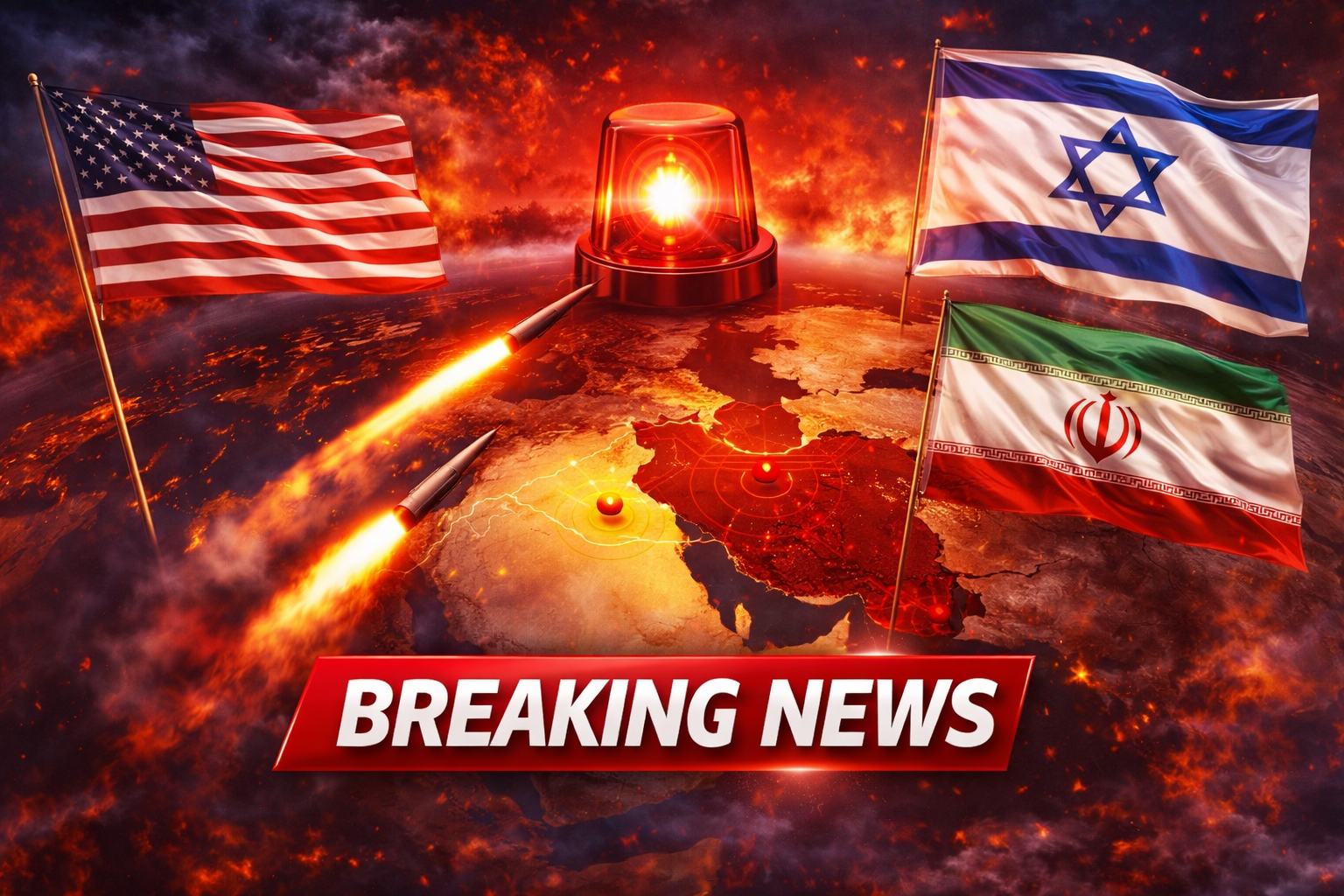
The Announcement of Major Combat Operations
On October 10, 2023, President Donald Trump made a significant announcement regarding the initiation of what he termed “major combat operations” against Iran. This declaration came in the wake of escalating tensions in the region, particularly following reports of Iranian-supported militia attacks on U.S. forces and allied interests in the Middle East. The announcement underscored a decisive shift in U.S. foreign policy, reflecting a more aggressive stance towards Iran amid growing concerns about its nuclear ambitions and its role in regional conflicts.
The rationale behind President Trump’s decision is multifaceted. It stems not only from the direct threats posed by Iran’s military actions but also from the broader geopolitical dynamics involving Israel. The Israeli government has consistently voiced concerns regarding Iranian military entrenchment in Syria and its support for militant groups such as Hezbollah in Lebanon. In recent weeks, Israel launched its military operations targeting Iranian supply lines and facilities, thus laying the groundwork for a coordinated response with U.S. forces. This alignment between the U.S. and Israel indicates a strategic partnership aimed at countering Iran’s influence in the region.
Global reactions to Trump’s announcement have been varied. Allies, particularly in Europe and the Middle East, expressed cautious support, emphasizing the need for a united front against any threats that destabilize the region. Conversely, adversaries such as Russia and China condemned the escalation, warning that military action could have dire consequences for global security. The international community is now on high alert, watching closely how this situation unfolds and what implications it may hold for the fragile balance of power in the Middle East.
Iran’s Retaliation: Missile Strikes and Strategic Responses
In light of the recent military operations conducted by the United States and Israel against Iranian targets, Iran has executed a significant and immediate retaliatory response. This response has primarily taken the form of large-scale missile and drone strikes aimed at Israeli locations. The Iranian military, specifically the Islamic Revolutionary Guard Corps (IRGC), has affirmed that these strikes are both a demonstration of military capability and a warning against further aggression.
Iran’s missile strikes reportedly targeted several key strategic areas within Israel, including military installations that are perceived to be involved in operations against Iranian interests in the region. The IRGC has claimed that their strike capabilities have evolved to such an extent that they can reach any location in Israel. The ramifications of these strikes are profound, not only for Iran and Israel but for the entire Middle Eastern geopolitical landscape. The IRGC has stated that future military actions will be contingent upon the perceived threats posed by Israel and its allies.
The implications of these missile strikes extend beyond immediate military responses. The regional security dynamics are becoming increasingly complex, as various countries take sides based on their political alignments and historical ties. Iran’s strategic use of missile technology serves not only as a means of retaliation but also as a tool for solidifying its influence in the region. Additionally, the response is expected to elicit reactions from other global powers, raising concerns over the potential escalation of hostilities.
In conclusion, the missile and drone strikes launched by Iran represent a pivotal moment in the ongoing conflict, fundamentally altering the security landscape in the Middle East. The potential for further escalation remains high as both sides assess their next moves in this escalating confrontation.
The UAE’s Interception and Its Aftermath
The recent interception of Iranian missiles by the United Arab Emirates (UAE) marks a critical juncture in regional tensions, reflecting the complexities of modern warfare and diplomatic relations within the Middle East. Following reported missile strikes targeting height, the UAE’s air defense systems successfully neutralized multiple threats aimed at key locations, including crucial infrastructure in Abu Dhabi. Unfortunately, these missile attacks resulted in several fatalities, causing significant distress among the local population and igniting widespread condemnation of Iran’s actions.
The UAE government has officially denounced the missile strikes as a blatant violation of its sovereignty and territorial integrity. In a statement, officials emphasized their commitment to uphold national security and protect their citizens from external threats, vowing a proportional response to Iran’s overt acts of aggression. The situation underscores not only the UAE’s military capacity but also its strategic position within the Gulf Cooperation Council (GCC) as a vital player whose security apparatus is crucial for collaborative defense efforts against common threats.
The events surrounding the missile interceptions have further strained relations within the region and prompt discussions about unity among GCC members. In the wake of these hostilities, it is vital for member states to bolster their collective response mechanisms in order to deter future acts of aggression from Iran. The necessity for GCC unity in the face of such challenges is more pronounced than ever, as maintaining cohesion among the member states is essential for strategic stability in the region. The incident serves as a reminder of the complex security landscape that the UAE navigates, emphasizing the delicate balance between asserting military readiness and pursuing diplomatic avenues to address broader regional tensions.
The Broader Implications: Rising Tensions in Middle East Politics
The recent escalation of military actions by the United States and Israel against Iran has far-reaching implications for regional stability and international diplomacy. The Iranian Supreme National Security Council has vehemently condemned these operations, branding them as provocations that exacerbate existing tensions. Such statements reflect a broader narrative wherein both Israel and Iran engage in a war of words, each side attempting to assert dominance and rally domestic support amidst rising hostility.
This situation complicates ongoing negotiations surrounding Iran’s nuclear program. With the US’s commitment to deter Iranian nuclear ambitions through military means, the possibility of diplomatic engagements diminishes. Furthermore, the nuclear talks, previously seen as a pathway to de-escalation, now hang precariously in the balance. As a result, the international community awaits any signs of a shift in Iran’s stance, as well as the implications for global non-proliferation efforts.
The response from various nations to these developments has been varied, with allies of the US reaffirming their support for Israel’s actions while critics, including Russia and China, have called for restraint. Such geopolitical alignments could engender a polarized environment that may either exacerbate existing conflicts or lead to broader alliances in opposition to perceived aggressive moves by the West.
Public sentiment in both countries is also telling; in Israel, a sense of national security and unity appears to solidify in response to external threats, while in Iran, government narratives aim to galvanize public support against foreign aggressions. The potential for a prolonged conflict looms, as the military and political maneuvers intensify, inevitably reshaping the broader landscape of Middle Eastern politics.
DSAFF
SAD
ERTTY
BNHJ
Steadicam operator
sfs
fsdf
graham
Washington