
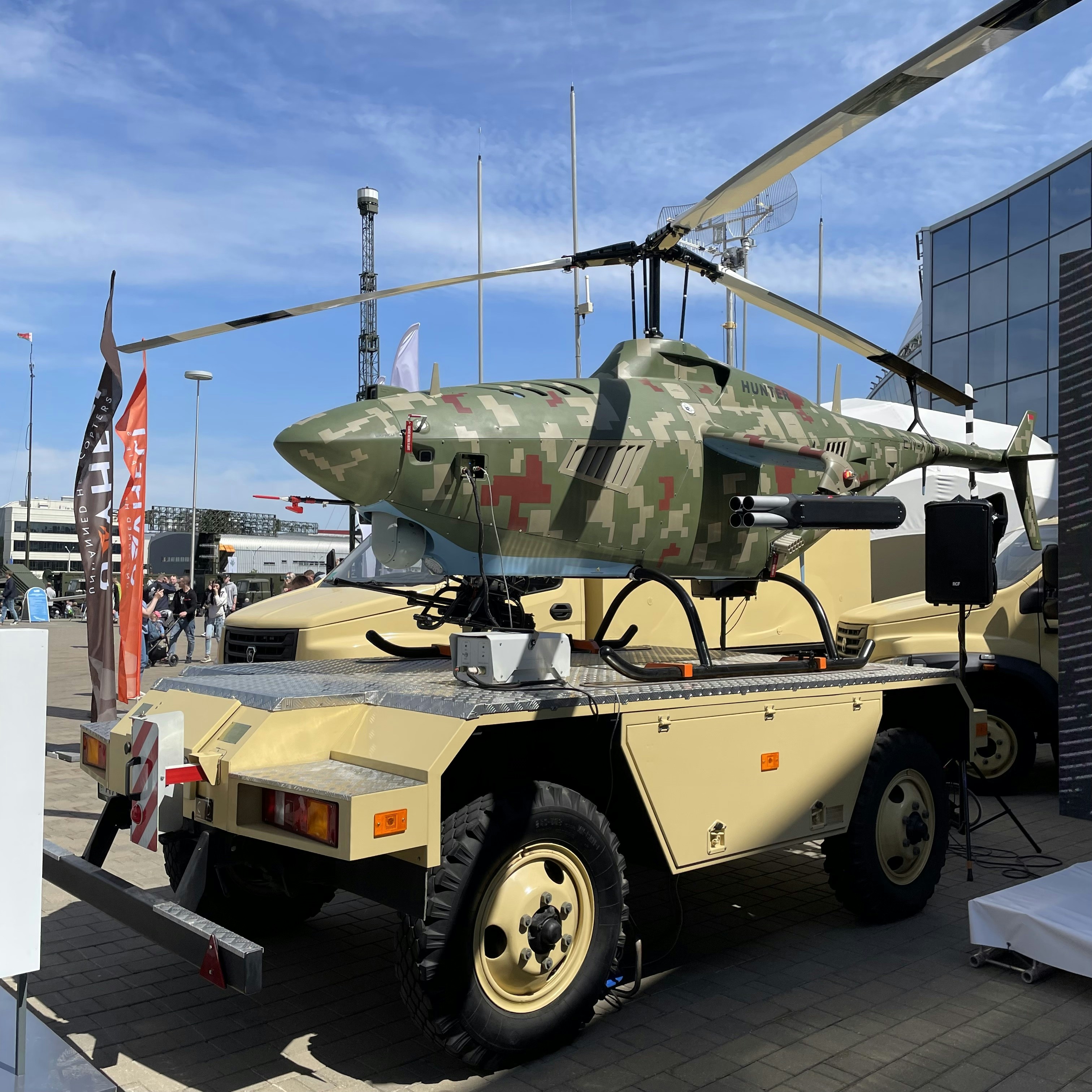
The Evolution of Drone Warfare in China
Since the early 2000s, China has made significant strides in the development of drone technology, reflecting a broader shift toward incorporating advanced technology in modern military strategies. Initially, its focus on unmanned aerial vehicles (UAVs) was primarily inspired by foreign developments, particularly the United States. However, as China recognized the strategic potential of drones in military operations, it began to invest substantively in domestic UAV research and production.
The Chinese military’s first major UAV, the CH-1, was developed in the late 1970s but was limited in its capabilities. Over the years, China has transitioned from basic surveillance drones to more sophisticated combat UAVs capable of performing a diverse range of military functions, including reconnaissance, strike missions, and electronic warfare. The introduction of models like the Wing Loong series and the Caihong (CH) drones has showcased a profound evolution in drone warfare capabilities.
In recent years, the emphasis on UAV development has escalated, fueled by advancements in technologies such as artificial intelligence, machine learning, and improved sensor systems. China’s military doctrine now heavily incorporates UAVs, recognizing their strategic importance not only for military engagements but also in projecting power, particularly concerning Taiwan. The capability of drones to conduct precision strikes and real-time intelligence gathering gives China a significant tactical advantage.
Investments in drone technology are not merely reflective of a desire to keep pace with global military advancements; they represent a fundamental realignment in China’s approach to modern warfare. As the People’s Liberation Army (PLA) increasingly integrates these UAVs into its operations, the implications for regional security and foreign relations, particularly with Taiwan, become evident. As drone warfare continues to evolve, it reshapes the dynamics of engagement and deterrence in the Pacific theater.
Decoy Tactics: Understanding China’s Grey-Zone Strategies
China’s approach to modern warfare, particularly relative to its strategies concerning Taiwan, embodies a range of grey-zone tactics that strategically obscure the boundaries between peace and conflict. These grey-zone strategies are characterized by methods that escalate tensions without initiating outright military engagements. Among these deceptive techniques is the utilization of false transponder signals, which serve to mislead rival forces regarding the identity and location of aircraft or naval vessels. This can result in confusion and miscalculation, thereby providing China with a tactical advantage.
False transponder signals function by transmitting misleading data, causing the intended target to misinterpret the situation as either a benign presence or a potential threat. Such activities are not limited to airborne assets; naval forces can also implement similar methods to disrupt surveillance and situational awareness. The disguised movements of vessels or aircraft can mislead adversaries into making hasty decisions, which may, in turn, prompt undesirable retaliatory actions.
Real-life examples illustrate the significant implications of employing these decoy operations. Incidents where Chinese naval vessels appeared to switch identities or misrepresent their positions have raised red flags among neighboring countries. These encounters not only amplify tensions in the region but also contribute to a broader sense of instability, which is strategically exploited as part of China’s comprehensive grey-zone strategy.
The ramifications of relying on such deceptive tactics extend beyond immediate military confrontations, affecting diplomatic relations and perceptions of security in the Asia-Pacific region. As tensions continue to mount, understanding these strategies becomes essential for regional actors as they navigate the complexities of inter-state interactions and prepare for potential conflicts.
Analyzing Recent Drone Flights Over the South China Sea
In recent months, China has significantly escalated its drone operations over the South China Sea, a region fraught with territorial disputes and strategic significance. Notably, there have been instances where drones have been observed masquerading as other aircraft, which raises questions about the overall intention behind these operations. Analysts suggest that such tactics are aimed at misdirection and psychological warfare, designed to confuse and intimidate adversaries.
The motivations for these drone maneuvers appear multifaceted. They not only serve a reconnaissance purpose but also function as a demonstration of China’s technological advancements in military aviation. Observations indicate that the use of drones as decoys could be part of a broader strategy to assess military readiness in the region, particularly in relation to Taiwan. This strategy signifies a profound shift in China’s operational tactics, where the integration of unmanned aerial vehicles (UAVs) is becoming increasingly prominent.
Expert opinions from military attaches and security analysts highlight the importance of these developments. Some experts argue that the increased frequency of drone flights correlates with Beijing’s growing assertiveness toward Taiwan. They view these aerial maneuvers as an attempt by China to signal its operational capabilities and readiness to engage in conflict if provoked. Furthermore, this could also be perceived as a method to test the responses of U.S. forces, which are regularly partnered with Taiwan. The strategic value of the South China Sea, along with its proximity to Taiwan, makes it a critical area for such displays of military power.
As China’s drone strategy continues to evolve, the implications for Taiwan and regional stability become increasingly concerning. The sophistication of these operations suggests a well-planned approach, aimed at enhancing China’s position not only in the South China Sea but also in the broader geopolitical landscape.
Potential Outcomes: The Implications for Taiwan and Regional Stability
As China enhances its drone capabilities, the implications for Taiwan and the broader East Asian region become increasingly significant. The potential outcomes of a military confrontation, particularly one driven by advanced drone warfare, warrant serious consideration. Should hostilities arise, the outcomes might range from immediate escalations to prolonged military engagements, each carrying substantial consequences for regional stability.
In the scenario of an armed conflict, Taiwan’s defense posture could be severely challenged. The increasing sophistication of Chinese drones may enable swift and targeted operations aimed at crippling Taiwan’s military infrastructure and communication networks. This capability could diminish Taiwan’s ability to effectively respond to any incursion, thereby altering the strategic calculus for its defense. Moreover, the psychological impact on Taiwanese society could lead to a reevaluation of its independence ambitions, fostering an environment of uncertainty.
Rival nations in the region, such as Japan and South Korea, may respond to an escalation by increasing their military preparedness or engaging in stronger alliances with Western powers. The presence of the United States in the Asia-Pacific region is particularly crucial; the international community may implement strategic responses, such as enhanced military presence or sanctions aimed at deterring Chinese aggression. Such actions could inflame tensions between the U.S. and China, highlighting the broader implications for global security.
The role of international organizations and multi-national dialogues will also be pivotal in mitigating the risks associated with a potential conflict. Diplomatic efforts to foster dialogue might play a critical role in averting escalation. As stakeholders in regional stability consider their strategic positions, the fate of Taiwan remains inextricably linked to the broader dynamics of East Asian geopolitics.
Thanks again I really appreciate